PRODUCT CATEGORIES
we provide you
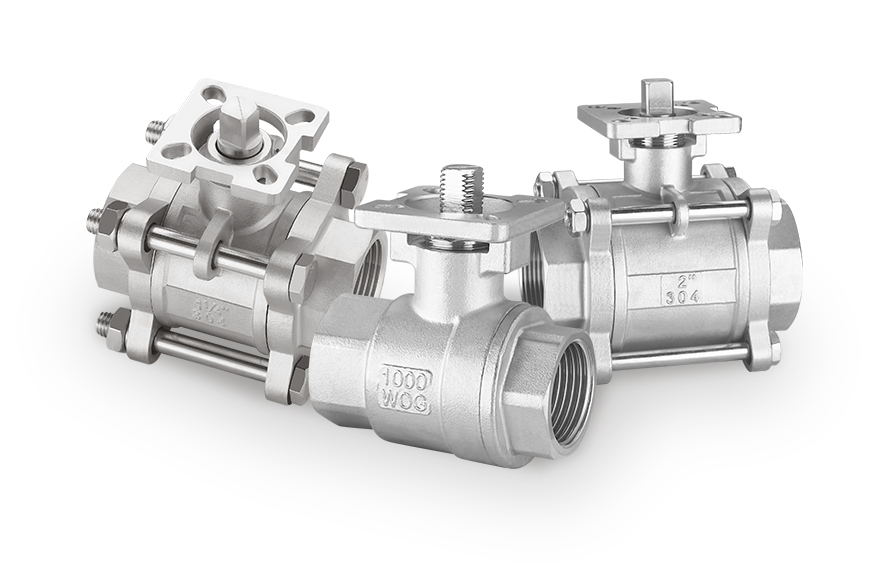
Wide-Ranging Valve Options for Complex Operating Conditions
VIEW MORE
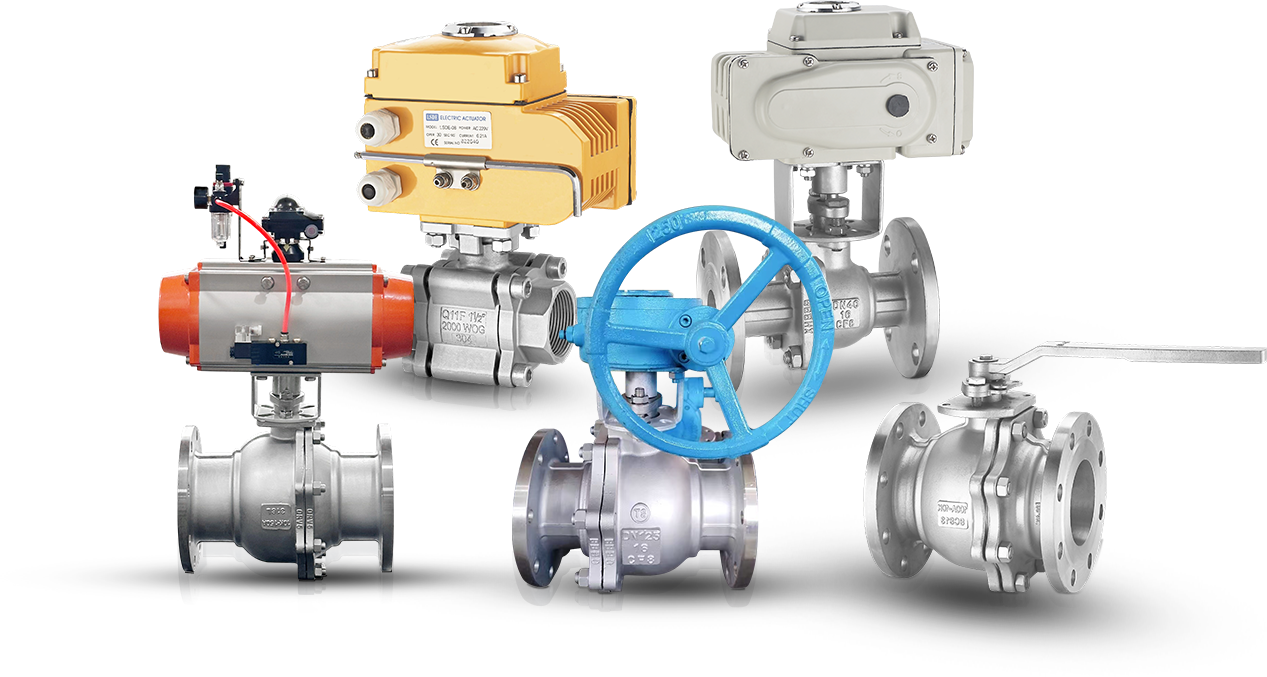
  • Ball Valve
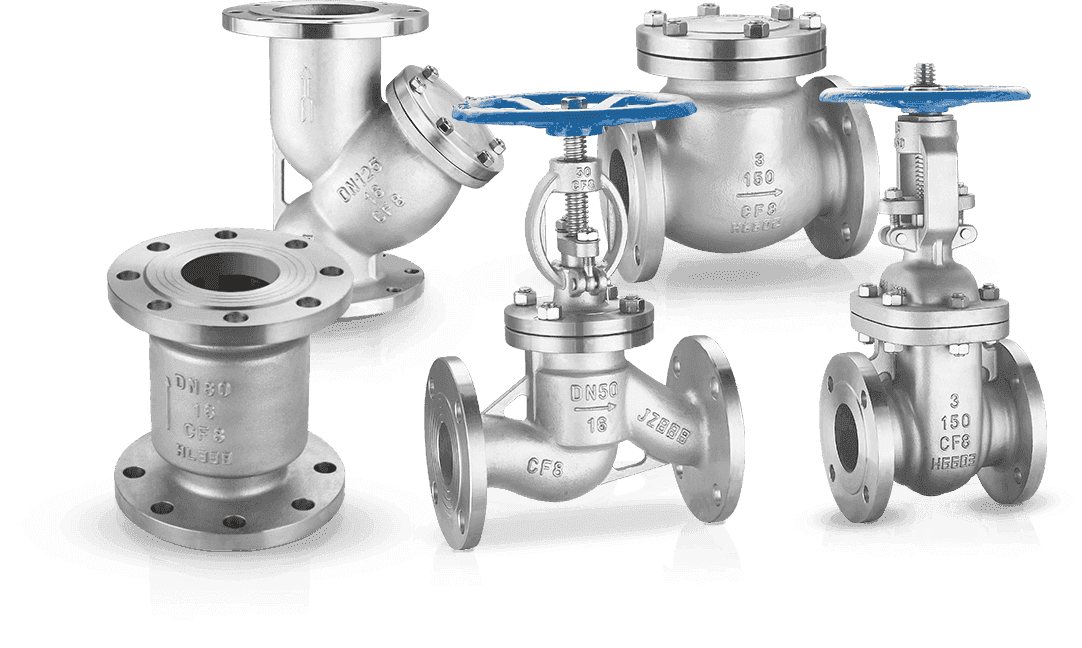
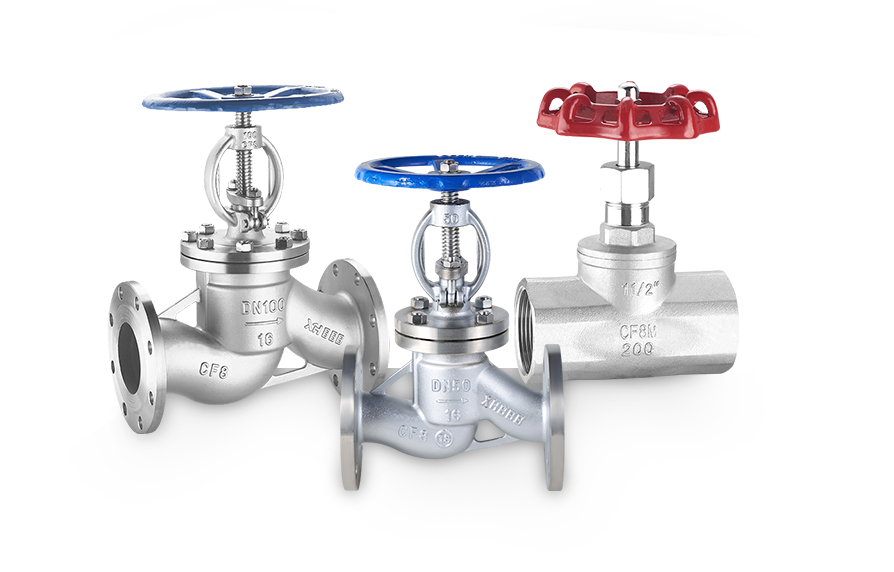
  • Globe Valve
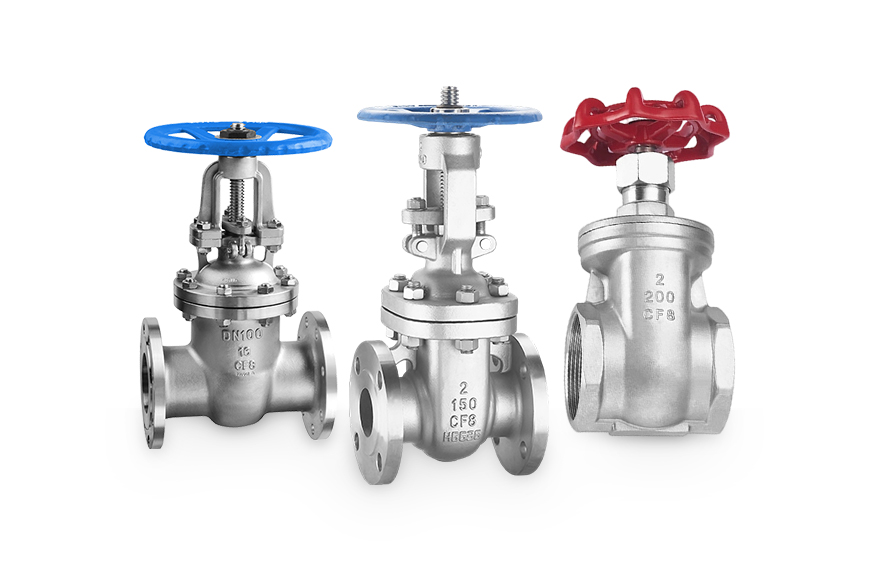
  • Gate Valve
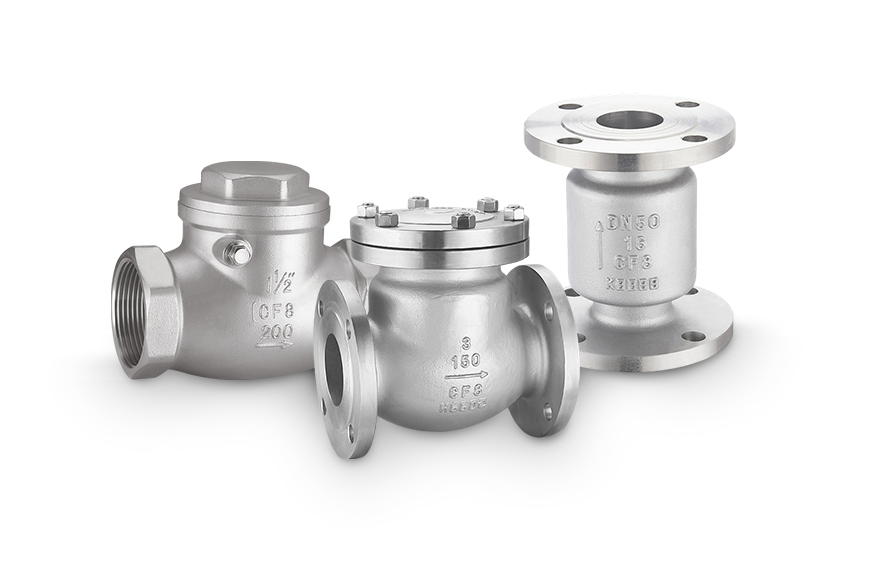
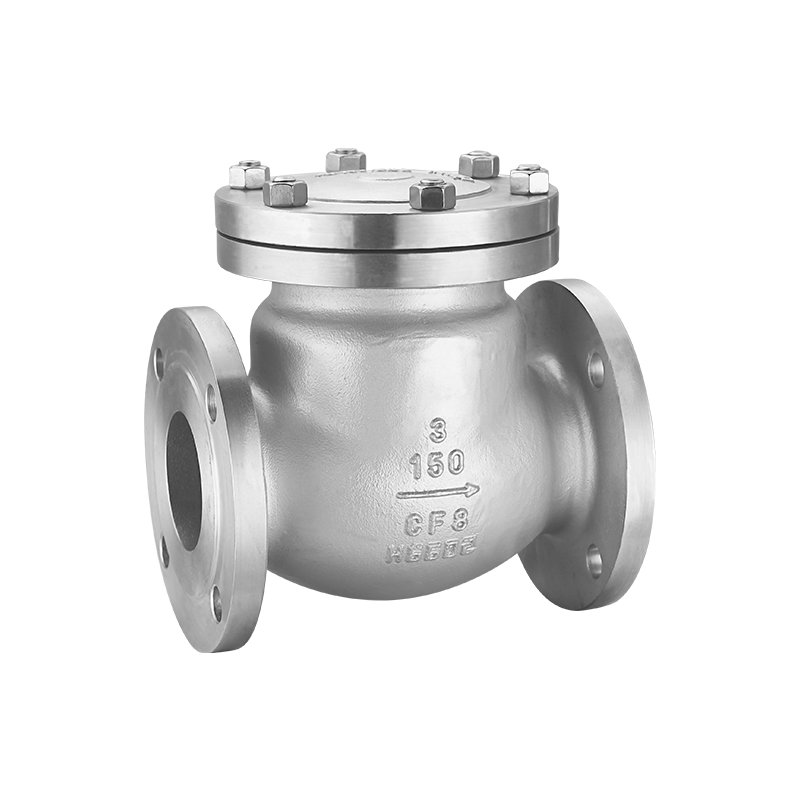
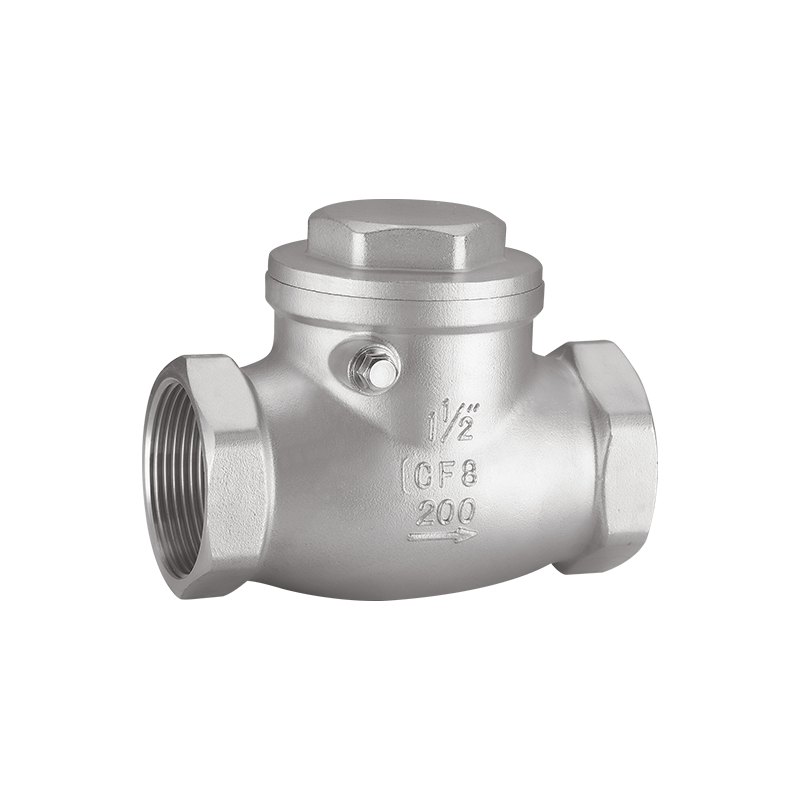
  • Check Valve
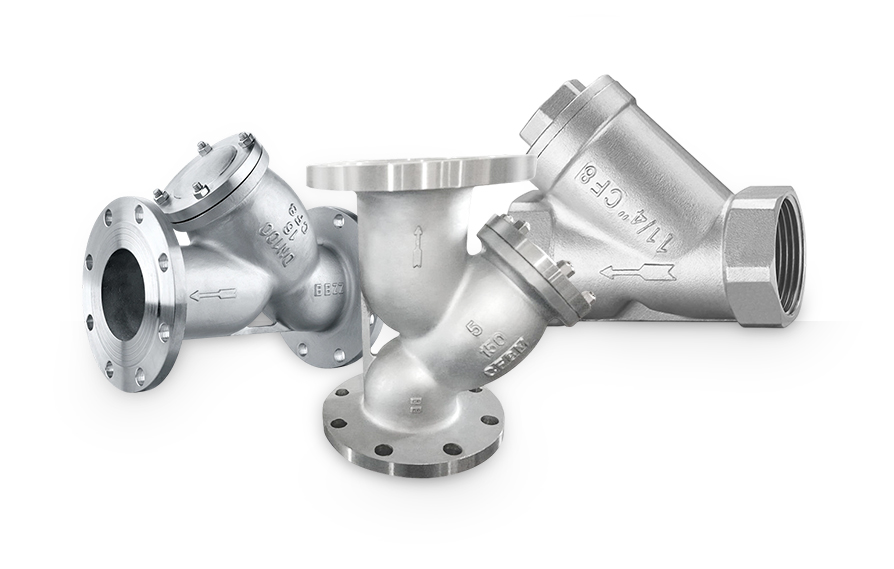
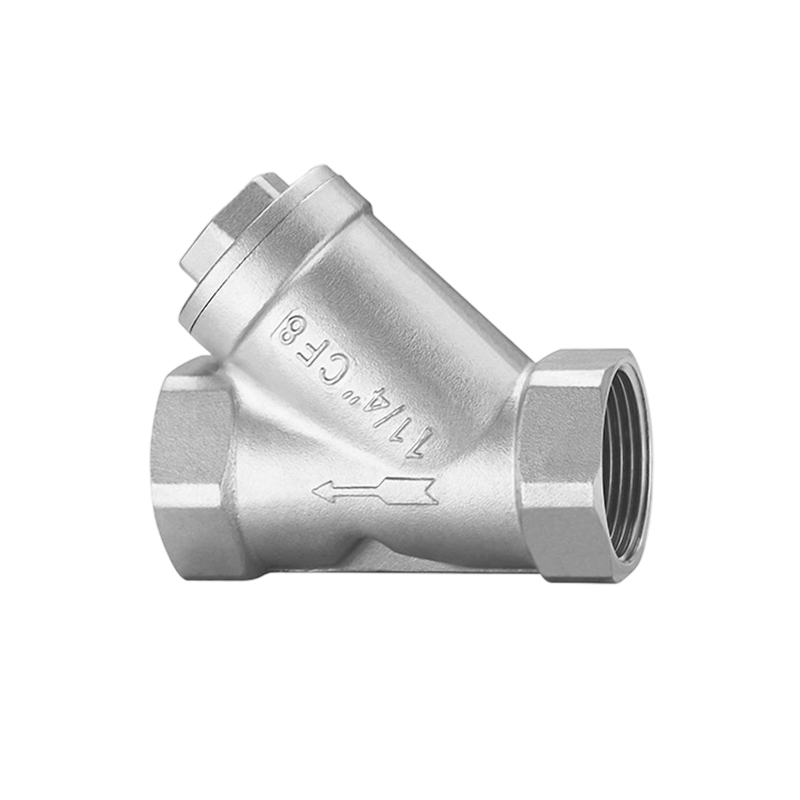
  • Y-Strainer
ABOUT US
Zhejiang Xinhong Valve & Fitting Co., Ltd.
Zhejiang Xinhong Valve & Fitting Co., Ltd. is a valve manufacturing factory with 16 years of experience in valve production, sales, and service. The company occupies a land area of 2,000 square meters and has 120 staff.

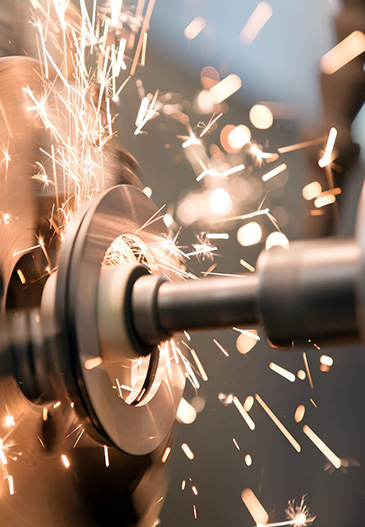
The company has a modern factory building, excellent machining equipment, a boring machine, a vertical lathe, a CNC lathe, plasma spray welding, chemical composition analysis, mechanical performance testing, hardness testing, an imported direct-reading spectrometer, and non-destructive testing.

Ensure that products conform to the relevant design and inspection standards, so that the quality level of products is continuously improved.
  • 0+

    Current Employee

  • 0

    Land Area

  • 0+

    Exporting Countries

  • 0years

    Experience of Valve Producing

OUR ADVANTAGE
Process-Oriented, Performance-Driven
We refine products through process precision and data validation, ensuring reliability and endurance in every unit. Our engineering approach focuses on performance stability in real-world operations.
  • Process Innovation

    Advanced CNC and plasma spray welding enhance surface integrity and sealing precision, with multi-stage pressure testing for reliability.

  • Digitalized Management

    Digitalized production monitoring ensures real-time parameter control and reduces variability during key processes.

Zhejiang Xinhong Valve & Fitting Co., Ltd. Zhejiang Xinhong Valve & Fitting Co., Ltd.
  • 01 Oil & Gas

    The oil and gas industry is a subset of the pipelines category. Due to the high demand for oil and gas, deeper wells, longer pipelines, and lower production costs have become necessary. Along with the need for an inexpensive valve, the device must also be tougher, last longer, and perform better to meet the demands of the industry. Valve service environments and operating conditions are often extreme with high temperatures (greater than 1,500°F) and high pressure (greater than 25,000 psig) or cryogenic and very low pressure applications. Another important feature to valves used in the oil and gas industry is the capacity for remote control.

  • 02 Pipelines

    This use is an essential aspect of many industries, but there are hundreds of thousands of miles of crucial pipelines that transport media from its source to the place where it will be transformed into its final product. This media could include piping for crude oil and gas, both onshore and offshore. Valves are used to optimize the pipeline operating conditions, and can be found in the upstream, midstream and downstream section of the piping. Upstream starts at the bottom of the hole in the ground and covers everything on the wellhead up to the choke. In this case, the choke is a specialized globe valve that is mounted on the wellhead to regulate the output of the well. Midstream starts at the output of the choke and ends at the fence of the final destination (usually a refinery). Downstream is everything inside the area of the destination. The most important factor to consider when selecting a valve for a pipeline application is whether the valve is piggable – that is, the inside is designed to be cleaned or inspected.

  • 03 Food and Beverage

    The food and beverage industry is a large and growing industry with an increasing need for parts and products that keep plants running smoothly. The industry’s many challenges, including safety concerns, have prompted strict material requirements for the valves used in these plants. There are two classifications for valves in the food and beverage industry: those in direct contact with food materials and those handling utility services (i.e., steam, water). For valves which come into direct contact with food, there are regulations in place (issued by such organizations as the FDA) which require that the inside of the valve be smooth enough to avoid trapping particles or bacterial accumulation. Valves made of a soft material must not absorb or hold any product going through the valve. These standards also specify that there should not be dead volume in the valve or crevices where material can be trapped to avoid decay or stagnation. Valves in the food and beverage industry do not face the high pressures or highly corrosive materials that are present in other industries.

  • 04 Biopharm Industry

    The biopharm industry is part of the larger chemical processing industry. The most important feature of valves used in this industry is their ability to be cleaned and sterilized. The chemical processing industry is responsible for processing raw materials into products. Since chemical processing often involves reactions using pressure and/or heat, and could cause toxic by-products, the media in this industry tends to be highly corrosive and abrasive. The valves need to be able to tolerate the nature of the media, as well as offer precise flow control and high leakage protection to protect against spills and cross-contamination.

  • 05 Marine Industry

    Valves play a critical role in the marine industry. As ships become larger and are used more frequently, they require the ability to generate power, treat and manage wastewater and control HVAC, as well as perform their required tasks. The size and application of the ship will determine the different types and number of valves on board. Valves are used to regulate the loading and storage of a ship’s power supply, provide water for fire-fighting capabilities, handle and processes wastewater and store any liquid cargo, among many other applications. Any valve that processes sea water must be durable, and all marine valves must be reliable due to lack of resources once out at sea.

LATEST NEWS
Keep up to date
By following the news, you can reach up-to-date information and news about us here.
CONTACT OUR EXPERTS AND GET A FREE CONSULTATION!