LANGUAGE

 Español
 عربى
عربى
Xinhong Valve & Fitting
Xinhong Valve & Fitting
Xinhong Valve & Fitting
Xinhong Valve & Fitting
Xinhong Valve & Fitting
Xinhong Valve & Fitting
Xinhong Valve & Fitting
Xinhong Valve & Fitting
Xinhong Valve & Fitting
Xinhong Valve & Fitting
Xinhong Valve & Fitting
Xinhong Valve & Fitting
Xinhong Valve & Fitting
Xinhong Valve & Fitting
Xinhong Valve & Fitting
Xinhong Valve & Fitting
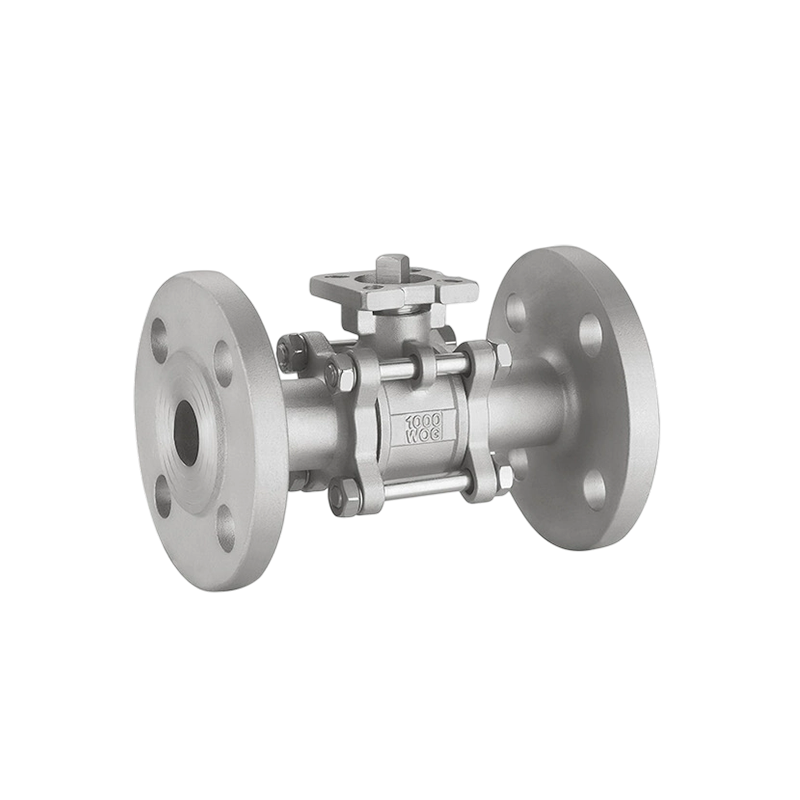
A ball valve is simple. A ball with a hole through it. A stem. A handle. Turn the handle ninety degrees, and the hole aligns with the flow or blocks it. A manual screw ball valve adds threaded end connections, so you can screw it directly onto pipework without flanges or welding. It's the kind of valve you find in compressed air lines, water systems, fuel oil circuits, and hydraulic return lines. Simple does not mean foolproof.
The Ball and the Seats
The ball sits between two sealing seats. In a manual screw ball valve, those seats are usually PTFE or reinforced PTFE. PTFE seals well, handles most chemicals, and has low friction. But it creeps under load. If the seat design is too thin or the seat pocket is cut too deep, the PTFE cold-flows over time. The seal relaxes, and the valve weeps.
The ball itself should be solid brass, chrome-plated brass, or stainless steel. For water and air, chrome-plated brass is standard. For corrosive fluids, stainless is better. A manual screw ball valve factory that uses a hollow brass ball with a seam line is cutting corners. Hollow balls can collapse under thermal stress. Check the sample: the ball surface should be mirror-smooth with no tool marks. A rough ball chews up the seats in a few hundred cycles.
Threaded Ends That Actually Fit
The "screw" part matters. A manual screw ball valve comes with BSP, NPT, or metric threads. The thread form must match the system. BSP parallel threads seal on a gasket or an O-ring. BSP tapered threads seal on the thread itself. NPT is always tapered. Mixing parallel female and tapered male threads causes leaks that tightening won't fix.
Inspect the threads on a sample. They should be cleanly cut, not rolled thin at the crest. Run a thread gauge over them. A manual screw ball valve factory with worn thread tooling produces threads that are undersized or have a poor surface finish. That leads to galling on stainless fittings and sealant failure on taper threads.
Stem Sealing
The stem goes from the handle through the body to the ball. The seal around the stem is usually an O-ring, a PTFE gland ring, or both. This is the most common leak point. Every time you turn the handle, the stem rotates against the seal. A manual screw ball valve with a single O-ring and no gland follower will leak eventually. Look for a design with a gland nut that can be tightened, or a Belleville washer stack that maintains compression on the stem packing as it wears.
The stem itself should have a blowout-proof shoulder. If the stem seal fails catastrophically, the stem should not eject from the body under pressure. A manual screw ball valve factory that machines the stem shoulder integral to the stem bar stock is doing it right. One that relies on a circlip is taking a shortcut.
Handle and Operation
The handle is usually steel with a plastic grip or a stamped steel lever. The handle tells the operator the valve position. A manual screw ball valve should have a clear position indicator. A flat on the stem top or a notch in the handle that lines up with the flow direction. If the handle can be mounted backwards, someone will mount it backwards. Then "open" is really "closed."
Check the handle attachment. A set screw directly on the stem flat is acceptable for smaller sizes. For larger valves, a splined stem with a matching handle boss handles repeated operation better. The handle should not work loose after a few hundred cycles.
Pressure and Temperature Limits
A manual screw ball valve has limits. PTFE seats typically handle up to around 180°C. Above that, the seats soften or decompose. The body material sets the pressure limit. Brass bodies typically go to 600 PSI or so in small sizes. Stainless steel goes higher. A manual screw ball valve factory should stamp the pressure rating on the body or at least the size and material. Blank bodies with no markings are a warning sign.
What to Check on a Sample
Open and close the valve ten times. The handle torque should be smooth and consistent. No tight spots.
Close the valve on a dry bench. Shine a light into one port and look through the other. No light should pass. The ball should seal fully.
Blow into the inlet with the valve closed. No air should escape at the outlet or around the stem.
Check the threads with a gauge. Verify the thread form and pitch.
Disassemble one valve. Look at the ball surface. Look at the seat contact ring. A continuous, even seating mark shows the ball and seats are aligned.
Factory Questions
- What is the ball material and is it solid or hollow?
- What is the seat material grade? Virgin PTFE or reinforced?
- Is the stem blowout-proof, and how is it retained?
- Can you provide a pressure test certificate for the batch?
- Are the threads cut or rolled? Can you provide thread gauge reports?
A manual screw ball valve is not complex. That's the point. But the simplicity means every detail matters: the ball finish, the seat material, the stem seal, the thread form. A factory that gets these basics right produces a valve that works for years. One that doesn't delivers a valve that weeps from day one or locks up after a season. Check the samples. Trust what you can measure.