 LANGUAGE
 Español
 عربى
عربى
Xinhong Valve & Fitting
Xinhong Valve & Fitting
Xinhong Valve & Fitting
Xinhong Valve & Fitting
Xinhong Valve & Fitting
Xinhong Valve & Fitting
Xinhong Valve & Fitting
Xinhong Valve & Fitting
Xinhong Valve & Fitting
Xinhong Valve & Fitting
Xinhong Valve & Fitting
Xinhong Valve & Fitting
Xinhong Valve & Fitting
Xinhong Valve & Fitting
Xinhong Valve & Fitting
Xinhong Valve & Fitting
-
 [email protected]
-
 +86-15058995341

OUR PRODUCT
all
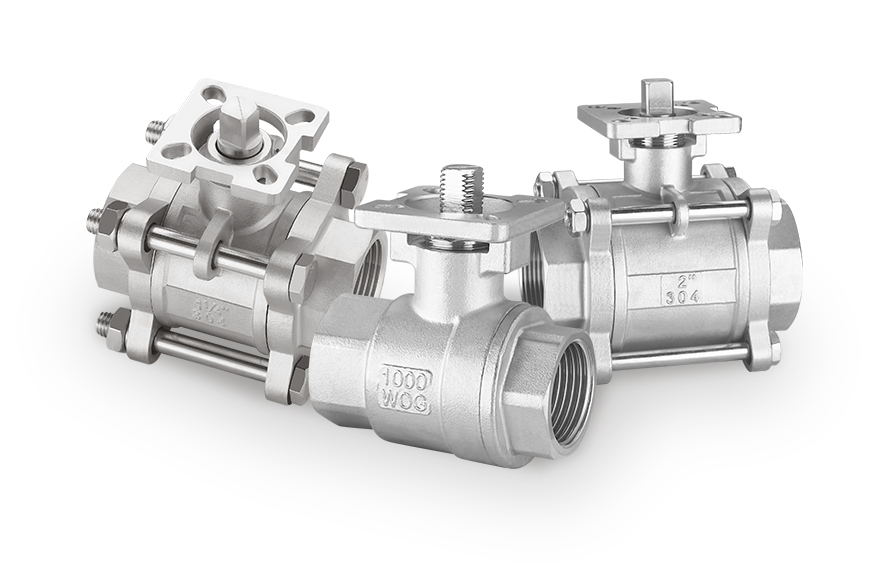
Ball Valve
+ VIEW MORE
As a professional ball valve manufacturer, XINGHONG is committed to providing customers with diverse, high-quality, one-stop solutions. Ball valves are widely used in industries such as petroleum, chemical, metallurgy, and water treatment due to their rapid opening and closing, excellent sealing performance, and convenient operation.
Depending on their structure and application, ball valve types primarily include two-piece, three-piece, flanged, wafer-type, clamp-type, and internally and externally threaded ball valves. Each type of ball valve offers advantages in ease of installation, pressure rating, fluid control capabilities, and maintenance.
XINGHONG rigorously controls material selection and craftsmanship during the production process to ensure valve body strength, sealing reliability, and corrosion resistance. We also continuously optimize our designs, such as using floating, fixed, or V-shaped ball structures, to meet the precise adjustment and efficient flow requirements of various operating conditions.
With a comprehensive range of specifications and customization capabilities, XINGHONG's ball valve products not only meet the domestic market but are also exported internationally, earning widespread customer recognition.
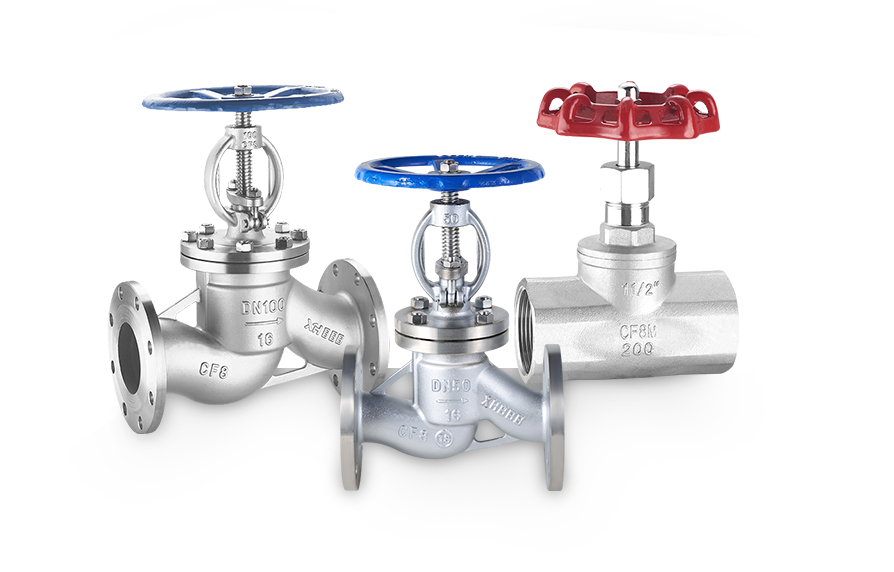
Globe Valve
+ VIEW MORE
As a key type of industrial valve, globe valves are widely used in various piping systems due to their simple structure, reliable sealing, and excellent regulating performance. Globe valves primarily operate by raising and lowering the disc along the centerline of the valve seat. They feature short strokes, precise flow regulation, and effective shutoff.
Common types include straight-through globe valves, angle globe valves, and Y-type globe valves, with different structures suited to varying installation conditions and media flow requirements. Compared to ball valves, globe valves are more suitable for frequent operation and conditions requiring high flow control.
XINGHONG prioritizes material selection and process optimization during manufacturing, utilizing high-quality stainless steel, carbon steel, and alloy steel to ensure the valve body is pressure-resistant, temperature-resistant, and corrosion-resistant. These products are widely used in the petrochemical, power generation, pharmaceutical, water supply and drainage, and marine industries.
With diverse specifications and customization capabilities, XINGHONG globe valves not only meet the needs of domestic customers but also demonstrate consistent quality and competitiveness in the international market.
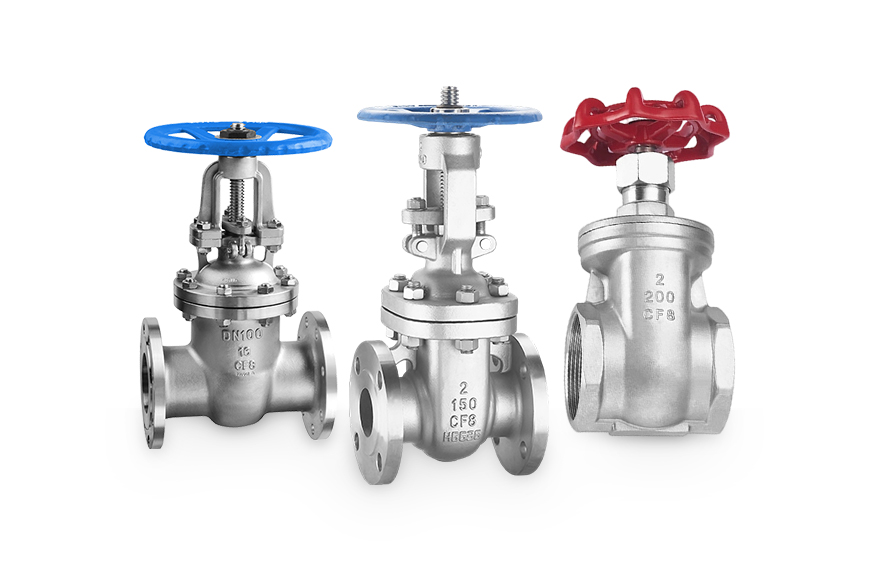
Gate Valve
+ VIEW MORE
As a valve manufacturer, gate valves are commonly used in pipeline systems for opening and closing. Their primary function is to shut off flow by fully opening or fully closing. Gate valves operate by moving the disc up and down, offering low fluid resistance, excellent sealing performance, and a wide range of applications.
Their structural design makes them unsuitable for throttling, but they are well-suited for applications requiring prolonged full opening or closing. Common types include rising-stem gate valves, concealed-stem gate valves, wedge-type gate valves, and parallel-type gate valves, depending on the sealing surface form and structure.
XINGHONG strictly selects high-quality carbon steel, stainless steel, or alloy steel materials in the manufacturing process, and employs advanced processing techniques to ensure valve body strength and wear resistance. These products maintain reliable sealing performance and a long service life even in high-temperature, high-pressure, and corrosive environments.
With a comprehensive range of specifications, consistent quality, and excellent interchangeability, XINGHONG gate valves are widely used in the petrochemical, power, metallurgical, water conservancy, and urban pipeline systems, providing users with efficient and safe fluid control solutions.
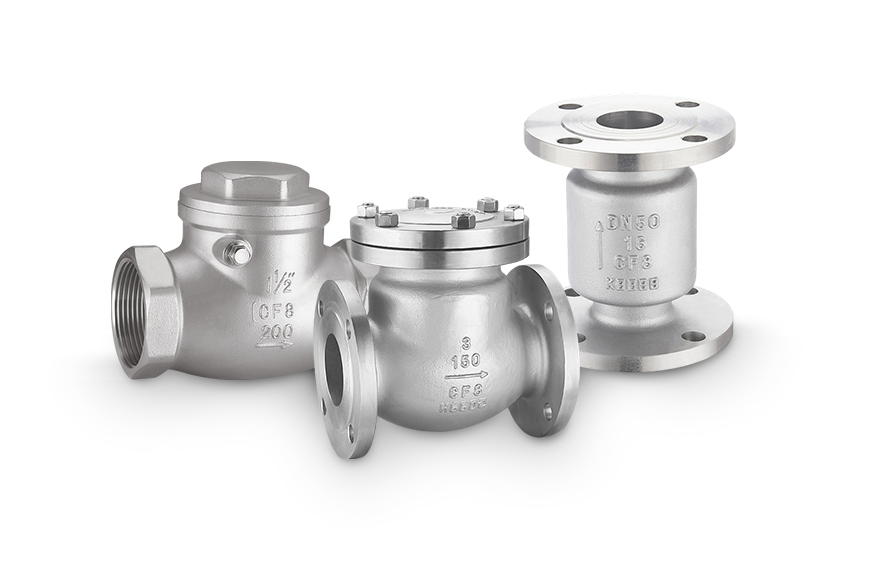
Check Valve
+ VIEW MORE
As a professional valve manufacturer, the greatest advantage of check valves lies in their automatic opening and closing function, which effectively prevents backflow and protects the safe operation of pumps and piping systems. Check valves require no manual operation and automatically open and close based on the flow direction and pressure differential of the medium. They feature a simple structure, ease of use, and reliable operation.
XINGHONG offers a variety of check valve types, including swing, lift, ball, and wafer types, to meet the needs of diverse operating conditions and installation environments. Their advantages include low fluid resistance, sensitive opening and closing, tight sealing, and flexible installation space. During the manufacturing process, we select high-quality stainless steel, carbon steel, and alloy steel materials, combining precision machining with rigorous testing processes to ensure the valve body is corrosion-resistant, wear-resistant, and pressure-resistant.
With high reliability and a wide range of specifications, XINGHONG check valves are widely used in petroleum, chemical, power, water treatment, and water supply and drainage systems, extending equipment life and significantly improving the stability and safety of pipeline operations.
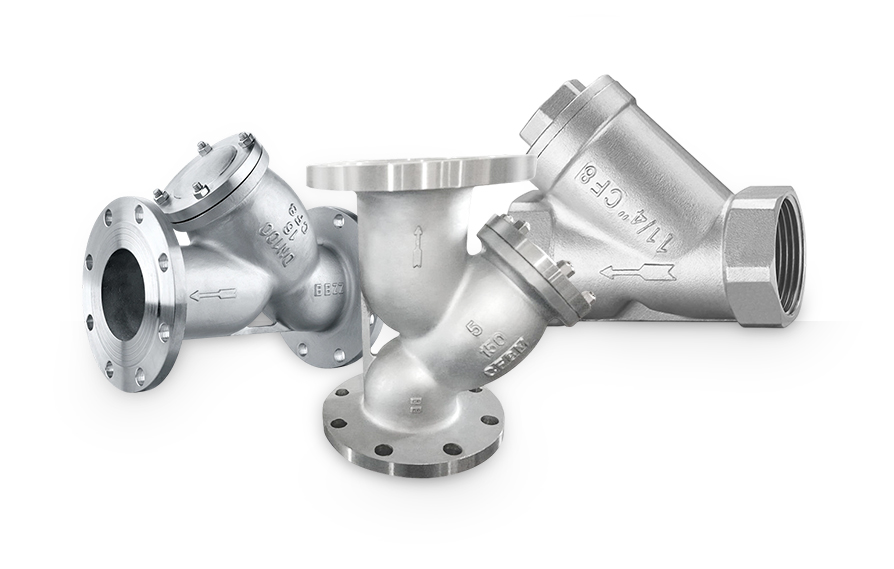
Y-Strainer
+ VIEW MORE
As a manufacturer of valves and pipe accessories, XINGHONG prioritizes practicality and durability in the development and production of its Y-type strainers. Y-type strainers are primarily installed at the front end of pumps, valves, and other equipment to intercept solid impurities, rust, welding slag, and other particles in pipeline media, thereby protecting downstream equipment from malfunctions caused by clogging or abrasion. Their Y-shaped design occupies a small footprint and is easy to install. They can be used in both horizontal and vertical pipes, offering flexible applications.
XINGHONG utilizes high-quality cast steel, stainless steel, or ductile iron in its manufacturing process, ensuring the strainers possess sufficient strength and pressure resistance. The precision-machined internal filter screen ensures high filtration accuracy and easy cleaning and disassembly, effectively extending the service life of the equipment. Y-type strainers also feature a simple structure, low fluid resistance, and a wide range of applications, ensuring reliable operation in applications ranging from petroleum, chemical, pharmaceutical, and municipal water supply networks. With its superior quality and reliable performance, the XINGHONG Y-type strainer has become an indispensable protective component in various pipeline systems.
Manual Valves Industry Knowledge Extension
The Function and Selection of Industrial Valves in Fluid Control Systems
Valves are fundamental components in fluid control systems, acting as the gatekeepers that regulate the flow, pressure, and direction of liquids and gases. Their selection and application are critical to the efficiency, safety, and longevity of operations across a diverse range of industries. From managing corrosive chemicals to handling high-purity food products or withstanding pressures, the correct valve type ensures system integrity.
Where are Electric Stainless Steel Valves Suitable for Use?
Electric stainless steel valves, which combine corrosion-resistant bodies with electrically actuated operation, are suited for applications requiring precise, automated control in demanding environments. Their use can be examined from three key aspects.
Corrosive and High-Purity Environments:
The primary advantage of stainless steel is its resistance to corrosion and oxidation. This makes electric stainless steel valves ideal for industries where fluid purity or chemical aggressiveness is a concern. In pharmaceutical and biotechnology facilities, they control the flow of purified water, steam, and process fluids without risk of contamination. Similarly, in chemical processing plants, they handle acidic or alkaline media where carbon steel valves would rapidly degrade. The smooth surface of stainless steel also minimizes fluid adhesion and supports clean-in-place (CIP) processes in food and beverage production.
Automated Process Control Systems:
The integration of an electric actuator transforms a simple valve into a programmable control element. These valves are suitable for systems requiring remote operation, sequential logic, or integration with building management and distributed control systems. For instance, in modern HVAC systems for large commercial buildings, they automatically regulate the flow of heated or chilled water through zones. In water treatment plants, they are used in automated filter backwashing sequences or chemical dosing lines, where timing and precision are important for consistent results.
Moderate Duty Applications with Specific Media:
While not typically designed for the high-pressure scenarios reserved for forged or alloy steels, electric stainless steel valves are well-suited for a wide range of moderate pressure and temperature applications involving water, oils, gases, and mild chemicals. They are commonly found in irrigation control, industrial washdown systems, and marine applications due to their durability against moisture. The selection of specific stainless steel grades, such as 304 for general purposes or 316 for enhanced chloride resistance, further tailors them to the specific media and environmental conditions.
What are the Dimensions of Screw Manual Valves?
Screw manual valves, encompassing types like globe, needle, ball, and check valves, are compact valves often used for isolation, regulation, or gauging in instrumentation and smaller pipeline systems. Their dimensions are not standardized universally but follow general patterns based on port connections and pressure ratings. Key dimensional parameters include the port size (often expressed as NPT or metric thread), the overall length and height, and the distance between mounting centers for inline models. The following table outlines typical dimensional considerations for common screw-end valve types.
|
Valve Type & Typical Port Sizes |
Key Dimensional Parameters |
Common Considerations & Applications |
|
Needle Valves (1/8" to 1/2" NPT) |
Overall Length: Varies by design (40mm to 100mm). Handwheel Diameter: For grip and fine control. |
Used for precise flow throttling in gauging, instrumentation, and sampling lines. Compact length is critical in tight panel layouts. |
|
Ball Valves (1/8" to 2" NPT) |
End-to-End Length: Follows manufacturer's pattern, often similar to pipe fittings. Valve Height: Depends on ball cavity and handle swing radius. |
Used for quick on/off service. The 90-degree handle swing requires adequate clearance. Miniature versions have very short lengths. |
|
Check Valves (1/8" to 1" NPT) |
In-line Length: Critical for system layout. Varies by design (swing, piston, or spring). |
Prevents backflow. Dimensions must account for the required flow direction and space for internal disc movement. |
|
General Notes |
Thread Standards: NPT (tapered) for sealing, BSPP (parallel) often with seal washer. Material: Brass, 316 Stainless Steel, etc., affecting wall thickness. |
Pressure rating (e.g., 6000 PSI) significantly influences body strength and dimensions. Always consult manufacturer catalogs for precise specs. |
What is the primary reason to choose stainless steel for a hydraulic valve?
A: The main reason is corrosion resistance. Hydraulic systems operating in harsh environments—such as marine applications, food processing machinery, or chemical plants—are exposed to moisture, corrosive fluids, or washdown procedures. Stainless steel (typically grade 304 or 316) protects the valve integrity from rust and chemical attack, ensuring reliability and preventing fluid contamination.
What are the key operational parameters to define before selection?
A: Three parameters are fundamental. The system pressure and flow rate, which determine the required pressure rating (PSI/Bar) and port size of the valve. The type of hydraulic fluid (e.g., mineral oil, water-glycol, synthetic fluid) to ensure compatibility with the valve's seals and body material. The required function: whether you need a directional control valve (solenoid-operated), a pressure relief valve, a flow control valve, or a check valve.
How do I decide between different connection types and actuation methods?
A: Connection type depends on your system design. Threaded ports (NPT, BSPP) are common for smaller systems and offer easy installation. SAE flanged or subplate mounting (e.g., to CETOP or NFPA standards) is standard for industrial machinery, allowing for clean manifold mounting and easier maintenance. Actuation method is chosen based on control needs: manual for simple setting or infrequent operation, solenoid for automated electronic control, or pilot-operated for handling high flows with a smaller control signal.
In the spirit of win-win cooperation, Xinhong is willing to cooperate with you sincerely and work together to create a brilliant tomorrow.
Quick link
Products
Information
-
 +86-0577-86923185
-
 +86-15058995341
-
 +86-0577-86910175
-
 [email protected]
[email protected]
[email protected] -
 No.696, Binhai 5th Road, Wenzhou Economic & Technological Development Zone, Zhejiang, China
Mobile QR Code
Copyright © Zhejiang Xinhong Valve & Fitting Co., Ltd. All Rights Reserved.

Manual Valves Supplier