LANGUAGE

 Español
 عربى
عربى
Xinhong Valve & Fitting
Xinhong Valve & Fitting
Xinhong Valve & Fitting
Xinhong Valve & Fitting
Xinhong Valve & Fitting
Xinhong Valve & Fitting
Xinhong Valve & Fitting
Xinhong Valve & Fitting
Xinhong Valve & Fitting
Xinhong Valve & Fitting
Xinhong Valve & Fitting
Xinhong Valve & Fitting
Xinhong Valve & Fitting
Xinhong Valve & Fitting
Xinhong Valve & Fitting
Xinhong Valve & Fitting
Industrial pipeline systems rely on stable valve operation to maintain production efficiency and reduce unexpected downtime. In many processing environments, the Full Port Ball Valve is used because of its wider internal flow path and suitability for handling large fluid volumes. However, like other mechanical components, these valves can experience operational problems over time, including leakage, restricted movement, or internal blockage.
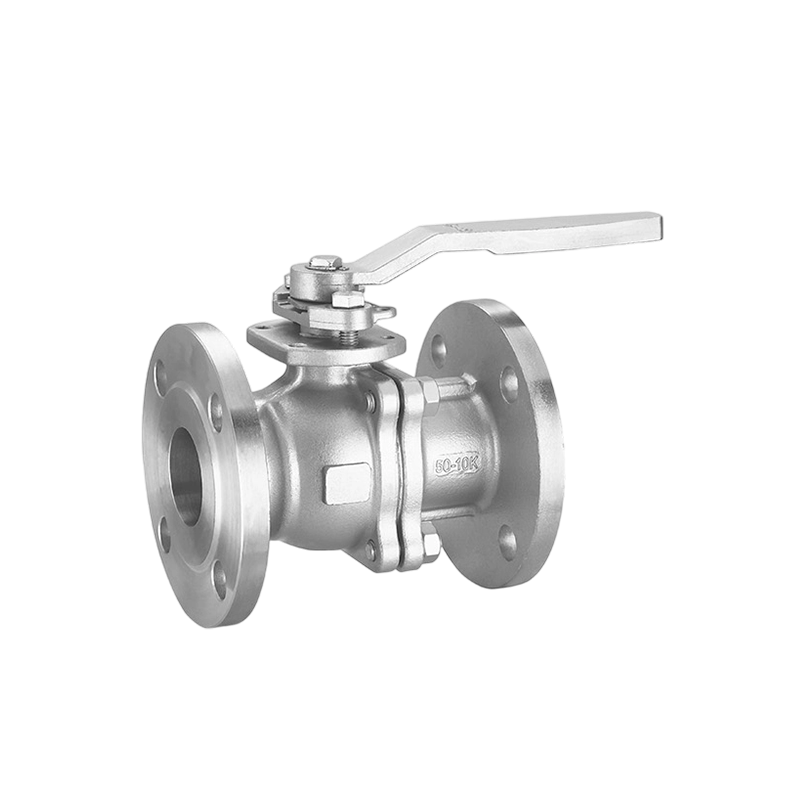
Understanding the common causes of these issues can help maintenance teams improve inspection procedures and support more reliable system performance.
Common Causes of Valve Leakage
Valve leakage is one of the most frequently reported maintenance concerns in industrial flow systems. Leakage may appear around the valve body, stem area, or sealing surfaces depending on operating conditions and component wear.
Worn Sealing Components
Seals and seats inside a ball valve experience continuous contact with flowing media during operation. Over time, these components may wear due to friction, temperature changes, or chemical exposure.
When sealing surfaces begin to degrade, fluids may pass through areas that should remain closed during operation. Regular inspection of sealing materials can help identify wear before leakage becomes more serious.
Improper Installation
Incorrect installation procedures can also contribute to leakage problems. Uneven pipe alignment, excessive tightening, or poor flange connections may place unnecessary stress on the valve body and sealing areas.
During installation, technicians usually verify pipe alignment, torque levels, and sealing surface conditions to reduce the possibility of future leakage.
Pressure and Temperature Changes
Industrial systems often operate under changing pressure and temperature conditions. If the valve materials or seals are not suitable for the operating environment, expansion and contraction may affect sealing performance over time.
Applications involving hot fluids, chemical media, or fluctuating pressure levels may require more frequent inspection schedules to monitor valve condition.
Reasons for Valve Jamming
In addition to leakage, some full port valves may become difficult to open or close after long operating periods. Restricted movement can interrupt production and increase maintenance requirements if not addressed early.
Debris Accumulation
Pipelines carrying slurry, wastewater, or particle-containing media may gradually develop buildup inside the valve body. Even though full port designs provide wider internal flow paths, debris can still collect around the ball or sealing surfaces under certain conditions.
Routine cleaning procedures can help reduce material accumulation and maintain smoother valve operation.
Corrosion and Internal Wear
Corrosive media may damage internal metal surfaces over time, especially in systems handling chemicals or moisture-heavy materials. Corrosion can create rough surfaces inside the valve body, making movement more difficult during operation.
Selecting suitable valve materials for the intended environment is an important part of preventing long-term operational problems.
Lack of Lubrication
Some valve components require proper lubrication to maintain smooth movement during repeated opening and closing cycles. Without adequate lubrication, friction may increase and eventually cause operating resistance.
Maintenance teams often include lubrication checks as part of routine inspection procedures in automated or high-cycle systems.
Inspection and Maintenance Procedures
Preventive maintenance plays an important role in reducing valve failures and supporting long-term system reliability.
Regular Cleaning
Pipelines transporting sludge, slurry, or thick liquids may require scheduled cleaning to prevent buildup inside valves and connected piping sections. Cleaning intervals often depend on media type and operating frequency.
Seal and Seat Inspection
Inspecting sealing surfaces helps maintenance personnel identify wear before leakage becomes more severe. Replacing damaged seals at an early stage may help reduce larger repair requirements later.
Monitoring Operating Conditions
Pressure fluctuations, unusual vibration, or difficult valve movement can indicate developing internal problems. Monitoring system conditions regularly may help operators identify potential issues before production is affected.
Preventive Measures for Long-Term Operation
Industrial facilities often take several steps to reduce the likelihood of valve leaks and jamming problems.
Installing filtration equipment can help reduce debris entering the valve system. Selecting suitable valve materials for chemical exposure and operating temperatures is also important for long-term durability.
In automated systems, periodic operational testing may help confirm that actuators and valve components continue functioning smoothly. Maintenance planning that includes inspection schedules and component replacement intervals can also support more stable pipeline performance.
As industrial systems continue operating under demanding conditions, maintenance teams remain focused on reducing operational interruptions and improving equipment reliability. Proper inspection, cleaning, and material selection all contribute to maintaining efficient operation of Full Port Ball Valve systems across different industrial applications.