LANGUAGE

 Español
 عربى
عربى
Xinhong Valve & Fitting
Xinhong Valve & Fitting
Xinhong Valve & Fitting
Xinhong Valve & Fitting
Xinhong Valve & Fitting
Xinhong Valve & Fitting
Xinhong Valve & Fitting
Xinhong Valve & Fitting
Xinhong Valve & Fitting
Xinhong Valve & Fitting
Xinhong Valve & Fitting
Xinhong Valve & Fitting
Xinhong Valve & Fitting
Xinhong Valve & Fitting
Xinhong Valve & Fitting
Xinhong Valve & Fitting
Industrial valve selection often depends on system requirements, flow conditions, and maintenance expectations. When comparing different valve structures, the Full Port Ball Valve is frequently discussed alongside standard port designs because both are widely used in fluid control systems. Understanding the differences between these two valve types can help engineers, maintenance teams, and buyers choose equipment that matches their operating conditions.
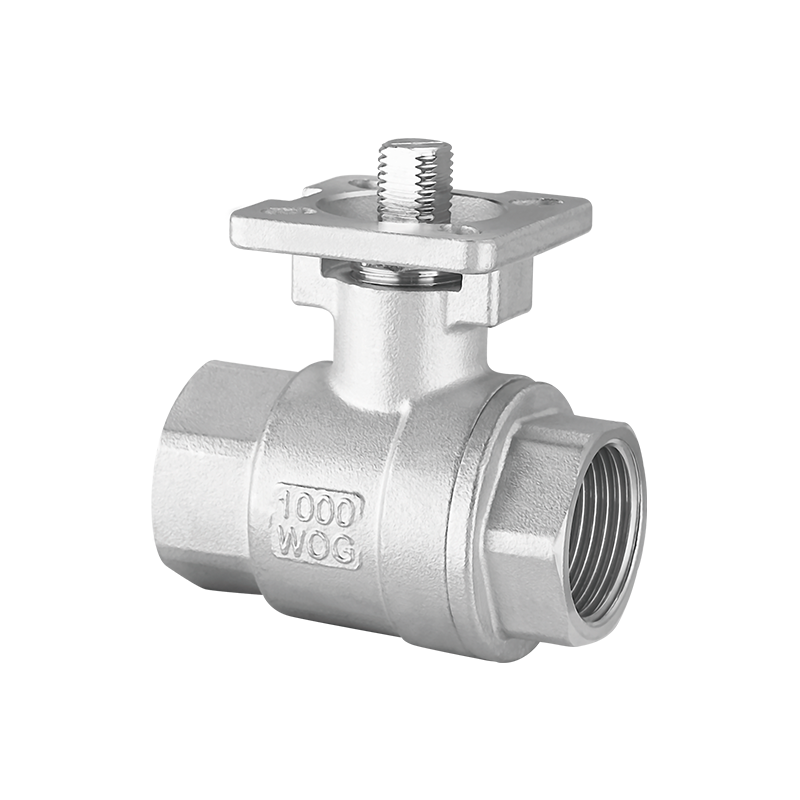
Understanding the Two Valve Designs
The primary difference between full port and standard port ball valves is the size of the internal opening inside the valve body.
A full port valve has an internal bore that closely matches the diameter of the connected pipe. This allows media to move through the valve with fewer restrictions during operation.
A standard port valve, sometimes called a reduced port valve, has a smaller internal opening. Although fluid can still pass through the valve effectively, the narrower flow path creates more restriction inside the system.
This structural difference directly affects flow behavior, pressure conditions, and application suitability across industrial environments.
Flow Performance Comparison
Flow capacity is one of the main reasons industries compare these valve types.
Full port valves are commonly selected for systems that require smoother media transfer or larger flow volumes. Because the internal passage remains close to the pipe diameter, fluids can move through the valve with reduced interruption.
Standard port valves create a smaller flow area inside the valve body. In many applications, this design remains suitable for general flow control tasks, especially where unrestricted flow is not a major requirement.
Systems transporting thick liquids, slurry, or particle-containing media may benefit from wider internal openings because materials are less likely to accumulate inside the valve.
Pressure Drop and Turbulence
Pressure conditions inside pipelines are another important factor during valve selection.
Full port valves are often associated with lower pressure loss because the flow path remains more open throughout the valve body. This may support steadier pipeline operation in long-distance transport systems or high-flow industrial environments.
Standard port valves can create additional turbulence due to the reduced internal opening. In smaller systems or applications with moderate flow demands, this may not significantly affect operation. However, in larger industrial pipelines, turbulence can influence efficiency and flow stability over time.
Engineers frequently evaluate pressure conditions when designing systems involving pumps, chemical transfer, or continuous material transport.
Size and Weight Differences
Valve size and overall weight also vary between the two designs.
Because a full port valve contains a larger internal bore and ball structure, the valve body is typically larger and heavier. This may influence installation planning, support requirements, and transportation considerations.
Standard port valves are generally more compact. Their smaller size may make them suitable for systems where installation space is limited or where unrestricted flow is not essential.
The choice often depends on balancing available space, operational needs, and maintenance expectations.
Maintenance and Cleaning Considerations
Maintenance requirements can also differ between valve structures.
Full port valves are frequently used in systems that require pipeline cleaning procedures. Their larger internal openings allow cleaning tools to move through the pipeline more easily, which is particularly important in oil and gas transport systems.
Applications involving wastewater, slurry, or particle-heavy media may also benefit from reduced blockage risks associated with wider flow paths.
Standard port valves continue to perform effectively in many industrial applications, especially where media remains relatively clean and flow conditions are less demanding.
Common Industry Applications
Both valve types are widely used across industrial sectors, but their applications often vary depending on operational priorities.
Full port valves commonly appear in:
- Oil and gas pipelines
- Water treatment facilities
- Chemical processing systems
- Slurry transport applications
- Food and beverage production lines
Standard port valves are often used in:
- General industrial flow control
- Utility systems
- Compact equipment installations
- Moderate flow applications
Selecting between the two usually depends on the type of media being transported and the overall system design.
Evaluating Operational Requirements
Valve selection involves considering several factors beyond basic flow control. Engineers typically evaluate pressure conditions, maintenance accessibility, media characteristics, and installation space before deciding between full port and standard port structures.
The Full Port Ball Valve continues to attract attention in industries where smoother flow movement and easier maintenance access are important operational goals. Standard port valves remain widely used in applications where compact size and general flow control are suitable for the system environment.