LANGUAGE

 Español
 عربى
عربى
Xinhong Valve & Fitting
Xinhong Valve & Fitting
Xinhong Valve & Fitting
Xinhong Valve & Fitting
Xinhong Valve & Fitting
Xinhong Valve & Fitting
Xinhong Valve & Fitting
Xinhong Valve & Fitting
Xinhong Valve & Fitting
Xinhong Valve & Fitting
Xinhong Valve & Fitting
Xinhong Valve & Fitting
Xinhong Valve & Fitting
Xinhong Valve & Fitting
Xinhong Valve & Fitting
Xinhong Valve & Fitting
Over the past few years, the way utilities and industries use a locking ball valve has changed noticeably. New technologies, updated safety codes, and operational demands have pushed the evolution of these valves in gas and water networks.
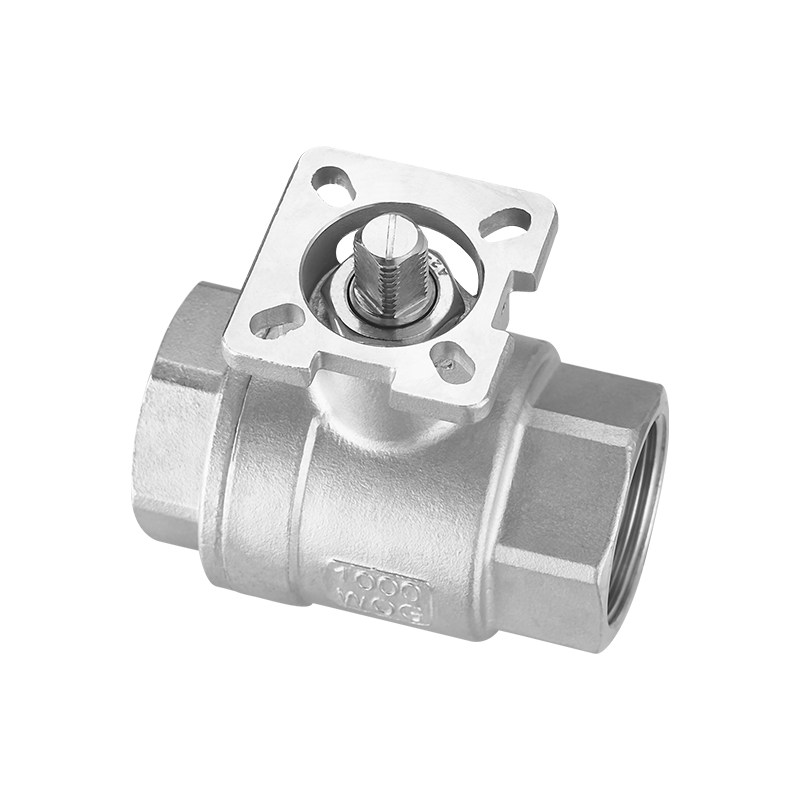
Magnetic Locking for Prepayment Systems
One of the more visible trends is the use of magnetic locking ball valves in water supply networks. Instead of a traditional key, these valves are unlocked by a magnetic key or a card. Water utilities in some regions have adopted this design for prepayment metering. A customer pays for a certain volume of water, and the utility issues a card that temporarily unlocks the valve. Once the prepaid volume is used, the valve automatically closes and requires another payment to reopen. This approach reduces the need for utility staff to manually disconnect or reconnect service. For the utility, a magnetic locking ball valve also discourages tampering because the mechanism is not accessible with common tools.
IoT Integration and Remote Status Monitoring
Another trend involves adding sensors to a locking ball valve so that its position can be reported remotely. A small switch inside the valve housing detects whether the ball is open or closed. This signal is sent to a data logger or directly to a SCADA system. For water distribution networks, this allows operators to see from a control center whether a valve has been left open after maintenance. For gas systems, knowing the valve position helps in leak detection and emergency response. The trend is toward passive sensors that do not consume much power, making battery‑operated units feasible for field installation. While full remote actuation is still less common, remote indication is becoming a standard request.
Retrofit Locking Attachments for Existing Valves
Not every facility can afford to replace all its ordinary ball valves with factory‑built locking versions. A growing trend is the use of retrofit locking attachments. These are add‑on devices that clamp onto the valve stem or handle and provide a padlock hasp or a keyed lock. A retrofit locking ball valve attachment can be installed without draining the pipeline or disassembling the valve. This solution allows a facility to meet LOTO requirements at a lower cost. Many maintenance departments now keep a supply of universal locking attachments that fit a range of valve sizes.
Increased Code Requirements for Gas Metering
In several jurisdictions, updated gas safety codes now require a locking ball valve on the customer side of the meter. The purpose is to allow the gas utility or an emergency responder to shut off the gas supply and lock it off without depending on the customer’s cooperation. This trend is driven by past incidents where unauthorized persons reopened a gas valve after a leak repair, causing further danger. As a result, gas utilities are specifying locking ball valves in their standard meter set assemblies. The trend is expected to continue as older meter installations are replaced.
Tamper‑Evident and Alarm Features
A newer development is the inclusion of tamper‑evident features on a locking ball valve. Some models now have a breakaway indicator that changes color if someone tries to force the lock. More advanced versions include a small vibration sensor and a wireless transmitter. When an unauthorized attempt is detected, an alert is sent to a central monitoring station. While such features add cost, they are being adopted for high‑value infrastructure such as water transmission mains or gas distribution pressure stations.
Regional Differences in Adoption
The trends are not uniform across all regions. In North America and Europe, the emphasis remains on LOTO compliance and workplace safety, so padlock‑compatible locking ball valves are common. In parts of Asia and the Middle East, prepayment and anti‑theft features drive the market, making magnetic and keyed locking valves more popular. In any region, the underlying driver is the same: a need to control valve operation while reducing labor costs associated with manual supervision.
The locking ball valve continues to evolve from a simple mechanical lock to a connected device. Future versions may include electronic locks that can be opened with a smartphone app, logging each operation with a timestamp and user ID. For water and gas utilities, such data would improve accountability and reduce disputes about who closed or opened a valve. For industrial users, electronic locking ball valves could integrate with digital permit‑to‑work systems. As these technologies mature, the adoption rate is likely to increase.