LANGUAGE

 Español
 عربى
عربى
Xinhong Valve & Fitting
Xinhong Valve & Fitting
Xinhong Valve & Fitting
Xinhong Valve & Fitting
Xinhong Valve & Fitting
Xinhong Valve & Fitting
Xinhong Valve & Fitting
Xinhong Valve & Fitting
Xinhong Valve & Fitting
Xinhong Valve & Fitting
Xinhong Valve & Fitting
Xinhong Valve & Fitting
Xinhong Valve & Fitting
Xinhong Valve & Fitting
Xinhong Valve & Fitting
Xinhong Valve & Fitting
A locking ball valve that refuses to turn can stop a production line or delay an emergency response. While these valves are built for reliable service, they can become stuck under certain conditions.
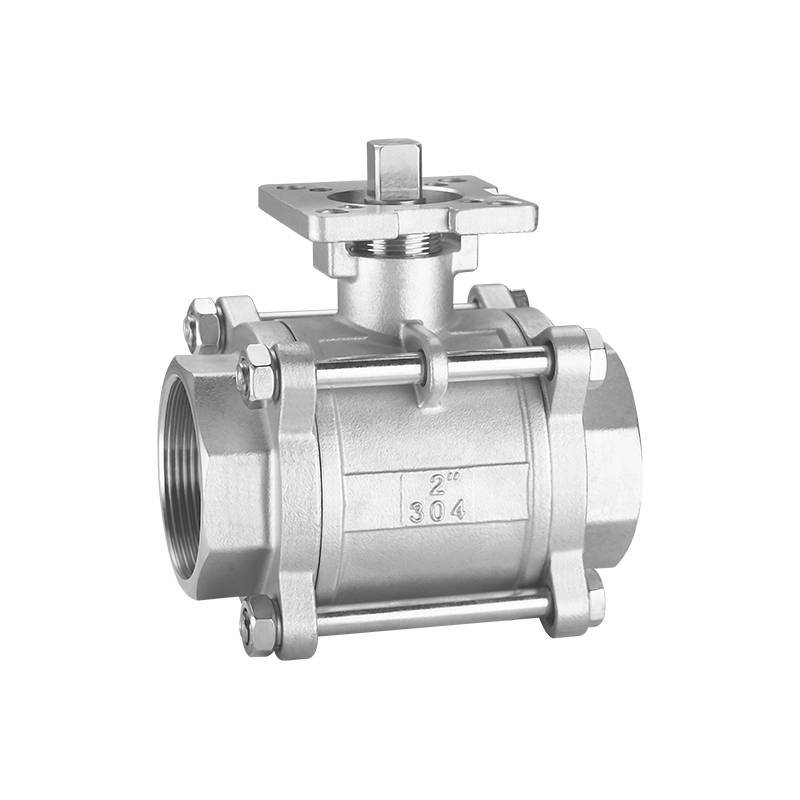
Safety First Before Any Troubleshooting
Before attempting to free a stuck locking ball valve, confirm that the pipeline is depressurized. If the valve is closed, trapped pressure may exist between the valve and the next closed device. Slowly crack a downstream bleeder to verify zero pressure. Also, ensure that the valve is not locked by an active LOTO tag. Attempting to force a locked valve can damage the mechanism or cause injury. Once these checks are complete, proceed with the diagnosis.
Cause 1: Locking Mechanism Not Fully Released
Sometimes the valve appears stuck because the lock is not completely disengaged. This can happen if a key is worn, the lock cylinder has debris, or the padlock hasp is slightly misaligned. The symptom is that the handle moves a small amount but then stops firmly.
Fix: Clean the lock cylinder with a dry lubricant. Insert the key fully and gently jiggle it while trying to turn the handle. If using a padlock hasp, remove the padlock and check that the hasp slides freely. Replace worn keys or damaged lock cylinders. In many cases, this simple step resolves the issue.
Cause 2: Buildup of Scale, Rust, or Sediment
In water or steam systems, minerals can deposit on the ball and seat surfaces. Over time, these deposits create friction that the handle cannot overcome. The valve may feel gritty or require excessive force even after the lock is released.
Fix: Attempt to cycle the valve several times while applying a mild cleaning agent approved for the pipe material. If the valve is in a location that can be isolated, remove the valve and disassemble it. Clean the ball and seats with a soft brush and a suitable solvent. Replace the seats if they show pitting or deformation. To prevent recurrence, install a strainer upstream or adjust the water treatment process.
Cause 3: Over‑Tightened Stem Packing
The stem packing provides a seal around the valve stem. If the packing gland nuts are tightened too much, they squeeze the packing material against the stem, creating high rotational resistance. The handle may feel heavy throughout the entire turning range, not just at one point.
Fix: Loosen the packing gland nuts slightly — a quarter to a half turn is often enough. Try operating the valve. If the valve moves easily but still does not leak, leave the nuts at that setting. If a small leak appears, tighten gradually until the leak stops without adding excessive friction. This adjustment should be part of routine maintenance.
Cause 4: Excessive Differential Pressure Across the Ball
A ball valve requires more torque to open when the pressure on one side is much higher than on the other. This condition commonly occurs when the valve is closed against a flowing system. The pressure pushes the ball against the downstream seat, increasing friction.
Fix: If possible, equalize the pressure across the valve before trying to turn it. On a liquid line, slightly crack a downstream valve or bypass. On a gas line, use a pressure equalizer line if installed. Once pressures are balanced, the locking ball valve should operate with normal effort. For future installations, consider a valve with a pressure‑relief feature or a smaller bypass valve.
Cause 5: External Damage or Misalignment
A physical impact — such as a forklift hitting the pipe or a tool dropped on the handle — can bend the valve stem or distort the handle. The valve may feel stuck at a certain rotation, or the handle may wobble without moving the ball.
Fix: Inspect the valve body, stem, and handle for visible damage. If the handle is bent, replace it. If the stem is bent, the valve should be replaced because a bent stem often damages the packing and seats. Also, check the pipe alignment. If the pipe flanges are pulling the valve body out of shape, realign the piping before installing a new locking ball valve.
Preventive Maintenance Suggestions
A few simple actions can reduce the chance of a stuck locking ball valve. Operate the valve fully open and closed at regular intervals — once every three to six months is a reasonable frequency for many sites. Apply a small amount of lubricant to the lock cylinder and the stem threads. Record the torque required to turn the handle; a gradual increase signals internal wear or buildup. By following these practices, a facility can keep its locking ball valves in working condition and avoid unexpected downtime.