LANGUAGE

 Español
 عربى
عربى
Xinhong Valve & Fitting
Xinhong Valve & Fitting
Xinhong Valve & Fitting
Xinhong Valve & Fitting
Xinhong Valve & Fitting
Xinhong Valve & Fitting
Xinhong Valve & Fitting
Xinhong Valve & Fitting
Xinhong Valve & Fitting
Xinhong Valve & Fitting
Xinhong Valve & Fitting
Xinhong Valve & Fitting
Xinhong Valve & Fitting
Xinhong Valve & Fitting
Xinhong Valve & Fitting
Xinhong Valve & Fitting
In industrial environments, controlling who can operate a valve is only one part of safety. A locking ball valve typically includes several built‑in features that go beyond simple access restriction.
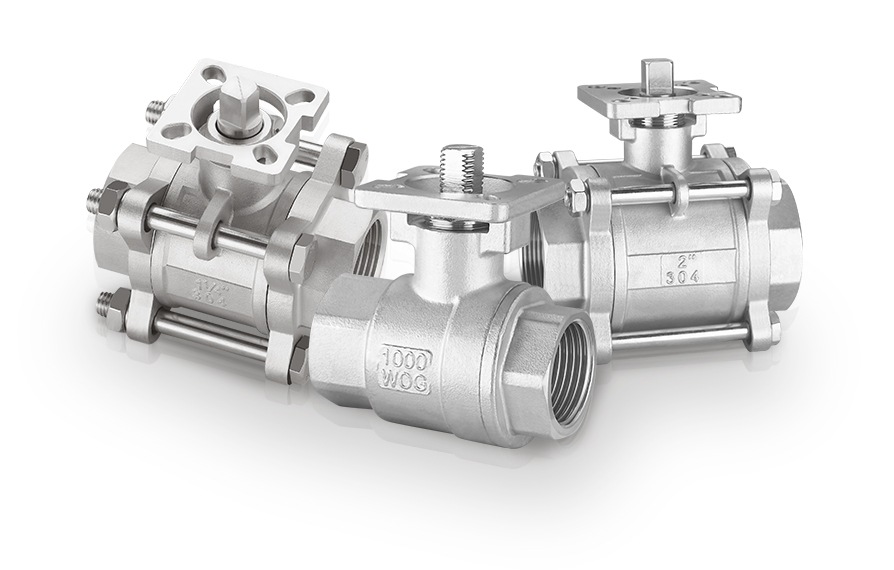
Physical Locking Mechanisms
The most visible safety feature is the physical lock. A locking ball valve may accept a padlock through holes in the handle, or it may have an integral keyed lock. In either case, the purpose is to hold the valve in a fixed position—either fully open or fully closed—until an authorized person removes the lock. This feature directly supports LOTO programs. When a worker locks the valve in the closed position, energy from the pipeline cannot reach the maintenance area. Padlock‑compatible handles are common because they allow each worker to attach their own lock, a practice required by many safety regulations.
Anti‑Static Design
Moving parts inside a ball valve can generate static electricity. In a standard valve, this charge may have no path to ground. In a locking ball valve intended for industrial use, an anti‑static device is often included. This device typically consists of a spring and a ball or a conductive insert that contacts the stem and the ball, creating a continuous conductive path to the valve body. When the valve body is grounded through the pipe flange, any static charge dissipates safely. This feature is especially relevant when the valve handles flammable fluids or gases.
Fire‑Safe Construction
A fire‑safe locking ball valve is designed to maintain a degree of sealing even after the primary soft seat is destroyed by fire. The construction includes a secondary metal seat that contacts the ball when the primary seat melts. Additionally, the stem seal may be made of graphite instead of polymer to resist high temperatures. While no valve can remain leak‑free under severe fire conditions, a fire‑safe design reduces the leakage rate to a manageable level. Many industrial sites with fire codes require this feature for valves installed on flammable service lines.
Blowout‑Proof Stem
The stem of a locking ball valve transmits the handle motion to the ball. Under high internal pressure, a poorly retained stem could be forced out of the valve body, causing a sudden release of fluid. A blowout‑proof stem design prevents this by having a shoulder on the stem that is larger than the stem bore. The stem is inserted from inside the body before assembly, so the internal pressure actually pushes the shoulder against the body, making ejection impossible. This feature is standard on many industrial ball valves, but users should verify its presence when ordering.
Position Indication and Limit Stops
Knowing whether a valve is open or closed is a basic safety requirement. A locking ball valve usually has a clearly marked handle or a separate position indicator. Some models include a visual indication that is visible from a distance. In addition, limit stops can be added to prevent the valve from being turned beyond the fully open or fully closed position. While this does not prevent unauthorized operation, it prevents over‑torquing that could damage the internal seals. For automated systems, a limit switch can be attached to the locking ball valve to send a signal to a control room, confirming the valve position.
Application in Hazardous Areas
Industrial sites with explosive atmospheres may require valves that do not create sparks. A locking ball valve designed for such areas often has a special coating on internal components and uses non‑sparking materials for the handle and lock mechanism. Additionally, the valve body may be constructed to contain any internal spark. These design choices help the valve meet safety standards for zones where flammable gases or dusts are present.
Integrating Safety Features into Daily Use
Having safety features on a locking ball valve is beneficial only if they are used correctly. A facility should train operators on how to apply a padlock, how to verify the anti‑static continuity, and how to inspect the fire‑safe seals during routine maintenance. Regular checks of the stem and locking mechanism can identify wear before it becomes a hazard. By understanding each safety feature and its role, a maintenance team can ensure that the locking ball valve contributes effectively to the overall process safety system.