LANGUAGE

 Español
 عربى
عربى
Xinhong Valve & Fitting
Xinhong Valve & Fitting
Xinhong Valve & Fitting
Xinhong Valve & Fitting
Xinhong Valve & Fitting
Xinhong Valve & Fitting
Xinhong Valve & Fitting
Xinhong Valve & Fitting
Xinhong Valve & Fitting
Xinhong Valve & Fitting
Xinhong Valve & Fitting
Xinhong Valve & Fitting
Xinhong Valve & Fitting
Xinhong Valve & Fitting
Xinhong Valve & Fitting
Xinhong Valve & Fitting
When choosing the right ball valve for your system, material matters—a lot. Among the most commonly used options are stainless steel ball valves and cast steel flanged ball valves. While both serve the same basic function—controlling the flow of liquids or gases—the differences in their materials, structure, and application can have a big impact on performance, cost, and durability.

1. Material Composition
Stainless Steel Ball Valves
Made primarily from grades like 304 or 316 stainless steel, these valves are known for their corrosion resistance, especially in harsh environments involving chemicals, saltwater, or high humidity. The chromium and nickel content provides long-lasting protection and a clean, sleek finish.
Cast Steel Flanged Ball Valves
Cast steel valves, typically made from carbon steel or alloy steel, are tougher in terms of mechanical strength but not as corrosion-resistant as stainless steel. They’re often coated or painted to add protection.
2. Applications
Stainless Steel Valves
Ideal for chemical processing, food & beverage, pharmaceuticals, and marine environments.
Excellent for corrosive fluids and sanitary applications.
Common in industries where hygiene and anti-rust performance are top priorities.
Cast Steel Flanged Valves
Widely used in oil and gas, power generation, water supply, and general industrial pipelines.
Suitable for high-pressure and high-temperature operations.
Often selected for their cost-efficiency in less corrosive environments.
3. Flanged vs. Threaded Connections
Most cast steel ball valves come with flanged ends, making them easier to bolt into large pipelines, especially when dealing with high pressure. While stainless steel valves can also be flanged, many are threaded or socket-welded, particularly in smaller sizes or sanitary systems.
4. Cost Considerations
Stainless steel valves are generally more expensive due to the material and finishing processes. However, their longer life in corrosive settings often justifies the investment.
Cast steel valves are more budget-friendly, especially for large-diameter flanged applications where corrosion isn’t a major issue.
5. Durability and Maintenance
Stainless steel offers low maintenance with high durability in corrosive conditions.
Cast steel provides excellent structural strength, but may require regular surface maintenance to prevent rust.
Choosing between a stainless steel ball valve and a cast steel flanged ball valve really comes down to your working environment, fluid type, pressure requirements, and budget. If corrosion resistance is key, stainless steel is your go-to. If you're handling high pressure and need a robust, cost-effective solution, cast steel with flanged connections may be the smarter choice.
To understand their proper application, it is helpful to examine the common types available and the distinctions among them. In addition, cast steel flanged ball valves require thoughtful design considerations to ensure reliability and stable operation under different working conditions.
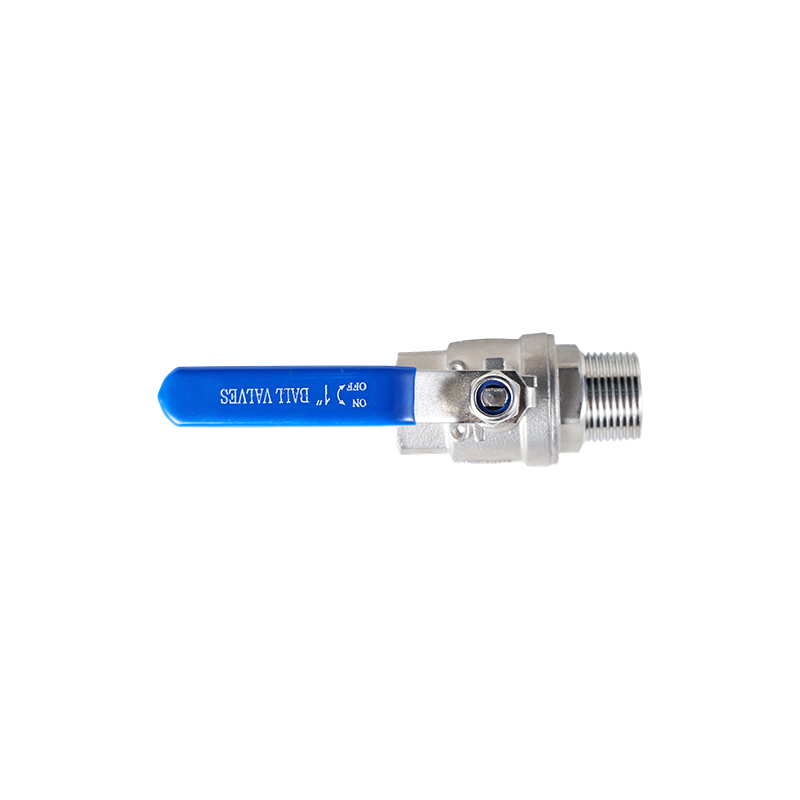
Common Types of Stainless Steel Ball Valves
One-Piece, Two-Piece, and Three-Piece Ball Valves
One of the common ways to classify stainless steel ball valves is by their body structure. A one-piece design offers simple construction with minimal leakage points, making it suitable for general service. Two-piece valves allow easier internal access for maintenance compared to one-piece bodies. Three-piece valves are widely used in processing industries because their body can be disassembled without removing the entire valve from the pipeline, which enables efficient cleaning and component replacement.
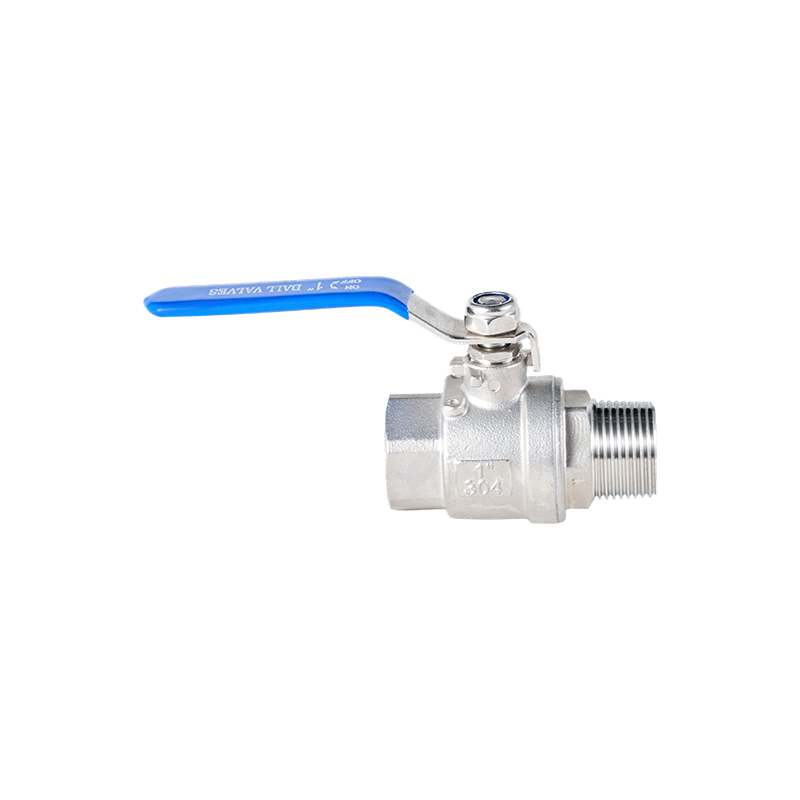
Full Port and Reduced Port Ball Valves
Another important distinction concerns flow characteristics. Full port valves have an internal bore equal to the pipeline diameter, which minimizes pressure loss and allows for applications requiring near-unrestricted flow. Reduced port valves have a slightly smaller bore and are typically used in systems where some pressure drop is acceptable. The choice between the two depends on process requirements, pump capacity, and acceptable energy consumption.
Floating and Trunnion Ball Valves
In a floating ball valve, the ball is held in place by seats and can move slightly to ensure proper sealing. This design is commonly used for low-to-medium pressure applications. Trunnion-mounted ball valves incorporate additional mechanical support for the ball, making them more suitable for higher pressure conditions. Trunnion designs also reduce operating torque, which can be beneficial for large-diameter valves or actuation systems.
Three-Way and Multi-Port Ball Valves
Multi-port stainless steel ball valves are used when diversion, mixing, or distribution of flow is required. A three-way valve may include L-port or T-port configurations, each offering different flow paths. These valves are used in systems where fluid routing must be managed without installing multiple single-direction valves.
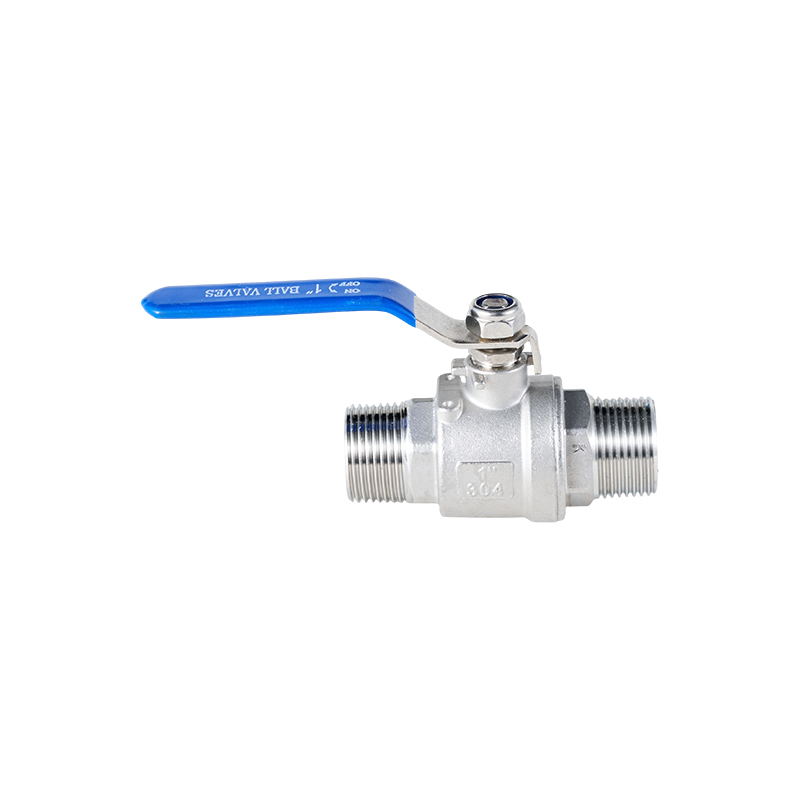
Design Considerations for Steel Flanged Ball Valves
When designing steel flanged ball valves, engineers typically evaluate mechanical strength, sealing performance, material compatibility, and long-term operational safety. Key considerations include:
Body Material Selection
Select steel grades based on operating pressure, temperature, and fluid characteristics.
Consider ASTM standards to ensure material consistency and traceability.
Flange Dimensions and Standards
Design flanges in accordance with ASME, DIN, or other applicable specifications.
Confirm compatibility with the pipeline class to maintain uniform pressure ratings.
Ball and Stem Design
Ensure the ball is machined to a smooth finish to reduce friction and improve sealing.
Use anti-blowout stems to enhance safety during pressure surges.
Seat and Seal Materials
Choose suitable seat materials such as PTFE, RTFE, or metal seats depending on temperature and media.
Evaluate the chemical resistance of soft materials to prevent swelling or degradation.
Corrosion Protection Measures
Apply appropriate coatings or surface treatments to cast steel components.
Consider environmental factors such as humidity, salinity, or exposure to industrial chemicals.
Operational Torque and Actuation Requirements
Calculate torque values for manual, pneumatic, or electric actuators.
Ensure proper alignment to avoid undue stress on the stem.
Pressure Testing and Quality Control
Perform hydrostatic and seat leak tests per industry procedures.
Incorporate non-destructive examination for critical sections of the valve body.
Maintaining Structural Integrity Under Long-Term Use
Account for thermal cycling, vibration, and mechanical loads.
Ensure that the design accommodates predictable wear and allows practical maintenance access.
Steel flanged ball valves are manufactured according to several international standards:
ASME Class 150, 300, 600, and above for petrochemical and refinery applications.
DIN PN16, PN25, PN40, commonly used in European markets.
JIS ranges, suitable for Japanese and some Asian facilities.
Pressure class, temperature rating, and corrosion resistance guide material selection.
Advantages of Flanged Ball Valves
Steel flanged ball valves offer several practical benefits:
- Secure mechanical connection: Bolted flanges provide strong sealing and mechanical integrity.
- Easy installation and removal: Ideal for maintenance or system upgrades.
- Reliable sealing: Suitable for both low- and high-pressure applications.
- Full-bore or reduced-bore options: Full-bore designs minimize pressure drop, while reduced-bore valves are more economical.
- Automation compatibility: Adaptable to electric, pneumatic, or hydraulic actuators.
These attributes make them useful in process industries requiring dependable flow isolation.
Typical Applications
Steel flanged ball valves are used across a variety of sectors:
- Oil and gas production
- Chemical and petrochemical plants
- Power generation and steam systems
- Water treatment and desalination
- Industrial heating and cooling loops
- General fluid handling in manufacturing plants
Their durability supports continuous operation under demanding process conditions.
Common Types
Depending on design and application, steel flanged ball valves may include:
Floating ball valves: Suitable for small to medium diameters.
Trunnion-mounted ball valves: Designed for high-pressure, large-diameter pipelines.
Two-piece and three-piece body designs: Offer different levels of maintainability.
Full-port and reduced-port configurations: Selected according to flow requirements.
Each type has specific functional advantages based on the system design.
Considerations When Selecting Steel Flanged Ball Valves
Engineers typically evaluate several factors:
- Required pressure and temperature ranges
- Compatibility with process fluids
- Desired port size (full or reduced)
- Seat material and sealing performance
- Body and trim material corrosion resistance
- Valve operation method (manual or automated)
- Applicable standards and flange patterns