LANGUAGE

 Español
 عربى
عربى
Xinhong Valve & Fitting
Xinhong Valve & Fitting
Xinhong Valve & Fitting
Xinhong Valve & Fitting
Xinhong Valve & Fitting
Xinhong Valve & Fitting
Xinhong Valve & Fitting
Xinhong Valve & Fitting
Xinhong Valve & Fitting
Xinhong Valve & Fitting
Xinhong Valve & Fitting
Xinhong Valve & Fitting
Xinhong Valve & Fitting
Xinhong Valve & Fitting
Xinhong Valve & Fitting
Xinhong Valve & Fitting
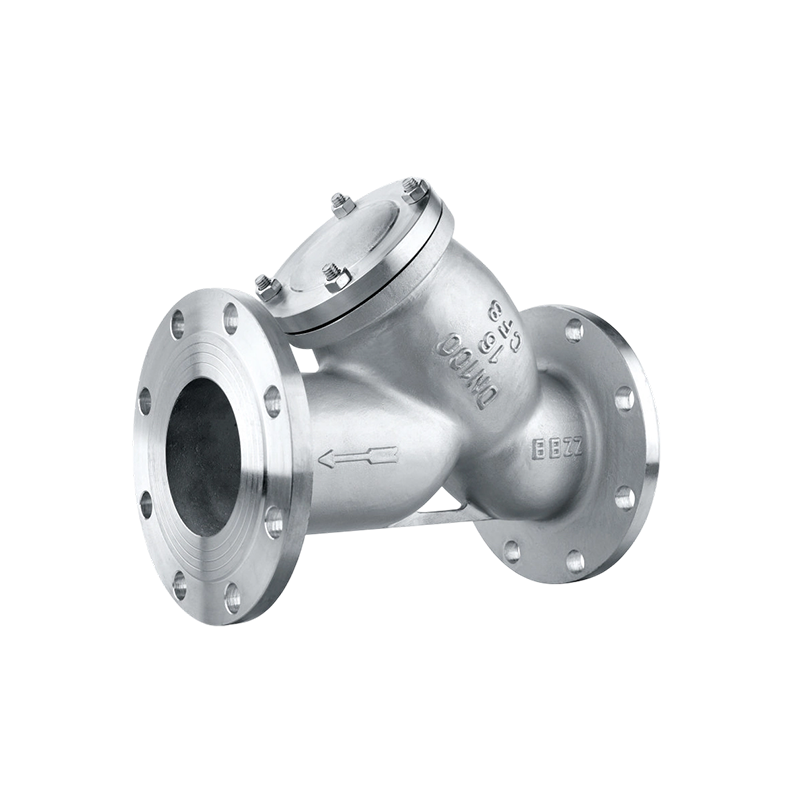
Water flows through pipes. So do chemicals. Coolant. Fuel. Oil. All of them carry debris. Rust flakes. Pipe dope. Sediment. That debris jams valves. It clogs nozzles. It ruins pumps. A 100 mesh y strainer catches the junk before it causes damage. The mesh is fine — 100 openings per inch. Small enough to trap particles you can barely see. Here is what buyers need to know.
What a Y Strainer Does and Why Mesh Size Matters
The strainer protects downstream equipment by catching debris
A 100 mesh y strainer installs in a pipe line. Fluid flows through. Debris hits the stainless steel mesh. Clean fluid passes through. Dirt stays in the strainer. The y shape comes from the design. Fluid enters straight. It turns. Debris drops into the bottom leg of the y. That leg has a blow-off valve. Open the valve. Blow out the collected dirt. Close the valve. Back in service.
Other strainer designs exist. Basket strainers hold more debris. Wye strainers have less pressure drop. The y strainer fits in tight spaces. The blow-off cleans without removing the strainer from the line.
100 mesh means 100 openings per linear inch
Mesh count tells you how fine the screen is. A 100 mesh y strainer has 100 openings per inch. That is fine. A human hair is about 70 microns thick. 100 mesh catches particles down to 149 microns. Smaller than a grain of sand.
Here is what different mesh sizes catch:
- 20 mesh — sand, coarse debris
- 40 mesh — fine sand, larger sediment
- 60 mesh — silt, powdered material
- 100 mesh — very fine particles, almost like dust
- 200 mesh — microscopic particles, near liquid
Why 100 Mesh Is the Right Choice for Sensitive Equipment
Fine nozzles and precision valves need clean fluid
Spray nozzles have tiny openings. A grain of sand wedges in the nozzle. The spray pattern distorts. Cleaning stops. Production slows.
A 100 mesh y strainer stops that grain before it reaches the nozzle. The fluid is clean. The nozzle stays open.
Precision control valves also need clean fluid. Debris sticks to the valve seat. The valve does not close fully. Flow leaks past. The system loses control.
Hydraulic systems cannot tolerate contamination
Hydraulic pumps have tight clearances. A particle gets between the piston and the cylinder wall. The pump scores. Metal flakes enter the fluid. More damage. The pump fails.
A 100 mesh y strainer on the pump inlet stops particles before they enter. The pump sees clean oil. It lasts longer.
Where 100 Mesh Y Strainers Get Used
Industrial water lines feeding spray nozzles
Parts washers need clean fluid. A 100 mesh y strainer on the supply line keeps nozzles clear. The washer runs all shift. No clogging. No downtime.
Chemical feed lines for precise mixing
Chemicals are expensive. A plugged injector wastes chemical. A 100 mesh y strainer stops the debris that plugs injectors. The chemical mixes correctly. No waste.
Coolant lines for machine tools
CNC machines need coolant at the cutting tool. A plugged coolant nozzle means heat builds up. The tool wears. The part scraps. A 100 mesh y strainer keeps coolant flowing.
What to Look for in a 100 Mesh Y Strainer
Screen material resists corrosion and damage
Stainless steel 304 is standard. A 100 mesh y strainer with 304 screen handles water and mild chemicals. Stainless 316 is for saltwater and aggressive chemicals.
The screen needs to be welded, not glued. Glued screens come loose. Debris bypasses the strainer. The equipment downstream gets dirty.
Pressure rating matches the system
A 100 mesh y strainer rated for 150 PSI is fine for low-pressure water. High-pressure systems need 300 PSI or 600 PSI ratings. Cast iron bodies are cheaper. Stainless steel bodies cost more but resist corrosion.
Here is how pressure ratings compare:
- 150 PSI — water lines, low-pressure systems
- 300 PSI — process lines, industrial water
- 600 PSI — hydraulic systems, high-pressure applications
- 1000+ PSI — special applications, uncommon for y strainers
Blow-off valve size and type
The blow-off valve clears collected debris. A small valve takes longer. A 100 mesh y strainer with a 1/4 inch blow-off valve is standard. Larger strainers need 1/2 inch or bigger.
Ball valves are better than plug valves. Ball valves seal tight. They do not leak. Plug valves wear out.
What Goes Wrong with Cheap Strainers
The screen tears and debris passes through
Cheap 100 mesh y strainer products use thin screen material. A piece of rust hits the screen. It tears. Now the strainer does nothing. Debris goes straight through. The equipment downstream fails.
The body cracks from thermal stress
Cast iron bodies crack when hot water hits cold iron. A 100 mesh y strainer on a steam line needs a steel or stainless body. Cast iron is for cold water only.
The blow-off valve leaks
Cheap valves do not seal. Fluid drips out the blow-off. Pressure drops. System performance suffers.
A 100 mesh y strainer is cheap insurance. The strainer costs less than one ruined pump. It costs less than one day of downtime. Buy one with a stainless steel screen. Match the body material to your fluid. Get the pressure rating right. A good strainer lasts for years. Clean the blow-off valve regularly. The debris tells you what is in your pipes. If you clean it weekly, you have a dirty system. Fix the source. The strainer protects you. It does not solve the root problem. But without it, you would not even know there was a problem. That is the point.