LANGUAGE

 Español
 عربى
عربى
Xinhong Valve & Fitting
Xinhong Valve & Fitting
Xinhong Valve & Fitting
Xinhong Valve & Fitting
Xinhong Valve & Fitting
Xinhong Valve & Fitting
Xinhong Valve & Fitting
Xinhong Valve & Fitting
Xinhong Valve & Fitting
Xinhong Valve & Fitting
Xinhong Valve & Fitting
Xinhong Valve & Fitting
Xinhong Valve & Fitting
Xinhong Valve & Fitting
Xinhong Valve & Fitting
Xinhong Valve & Fitting
Stainless steel valves are widely used in industries such as petrochemicals, food and beverage, pharmaceuticals, water treatment, and many others. The main reason for their popularity is the corrosion-resistant properties of stainless steel, which make it an excellent material for valves in environments with aggressive chemical agents.
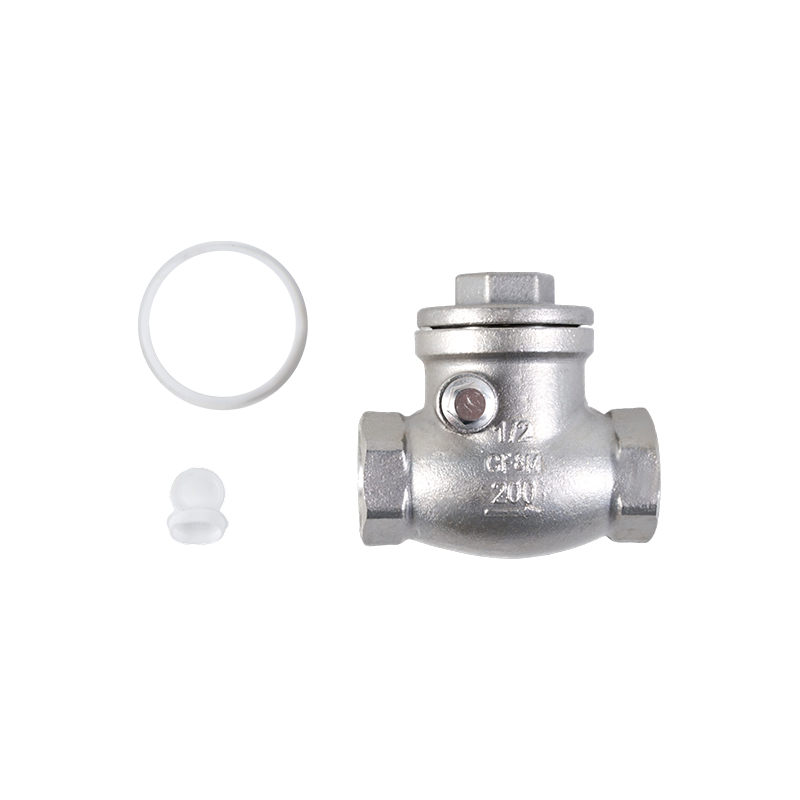
One of the most significant advantages of stainless steel valves is their ability to withstand high temperatures and pressure. They are highly resistant to corrosion and rust, ensuring that the valves can maintain their structural integrity while exposed to harsh conditions. This makes stainless steel valves ideal for applications in the oil and gas industry, where they can work efficiently in the extreme conditions found in pipelines and oil rigs.
In the food and beverage industry, stainless steel valves are popular because they are easy to clean and sanitize, reducing the risk of contamination. They are also resistant to scaling, which makes them perfect for applications that involve water treatment, such as desalination plants and wastewater treatment.
Another critical factor that makes stainless steel valves a popular choice is their versatility. Different variants of stainless steel can be used to manufacture valves that can work in various environments. For example, austenitic stainless steel provides excellent resistance to corrosion, while duplex stainless steel offers high strength and durability.
In addition to their excellent physical properties, stainless steel valves are also cost-effective in the long run. They have a long service life, which translates to savings on maintenance costs over the valve's lifetime.
Stainless steel valves are essential components in various industries, providing an efficient way to regulate the flow of fluids and gases. Their resistance to corrosion, high temperatures, and pressure makes them ideal for use in harsh environments and applications that require high levels of hygiene. With their cost-effectiveness and versatility, it is no surprise that stainless steel valves continue to be a popular choice for many industries today.
Material Selection and Application of Stainless Steel Ball Valves
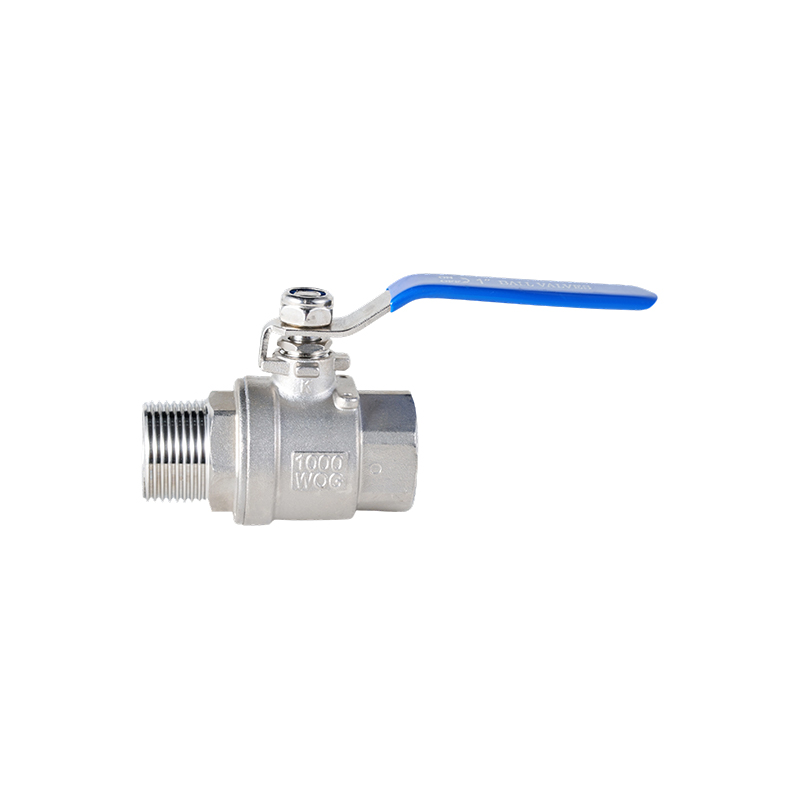
Their core function—using a rotating ball with a bore to start or stop flow—is mechanically simple, yet their performance is profoundly influenced by the materials from which they are constructed. This is especially true for stainless steel ball valves, where the choice of specific alloy grades and trim components determines suitability for different pressures, temperatures, and fluid media. A proper understanding of these materials is not merely academic; it is essential for ensuring system integrity, longevity, and safety.
What are the materials of SS Ball Valves? What are the differences between different materials?
Stainless steel ball valves are not made from a single uniform material. The term encompasses several standardized alloys, each selected for its balance of corrosion resistance, strength, and cost. The primary body and ball materials, along with critical sealing components, define the valve's capability.
Body, Ball, and Stem Materials:
AISI 304 (CF8): This is a general-purpose austenitic stainless steel containing 18% chromium and 8% nickel. It offers good corrosion resistance against a wide range of chemicals, oxidizers, and water-based services. It is widely used for food processing, water treatment, and general industrial applications where chlorides are not concentrated.
AISI 316 (CF8M): A grade to 304, 316 stainless steel includes 2-3% molybdenum. This addition significantly enhances resistance to pitting and crevice corrosion, particularly from chlorides and acids. It is the standard choice for marine environments, chemical processing, pharmaceutical applications, and coastal or de-icing fluid systems.
AISI 316L: The low-carbon version of 316. The reduced carbon content minimizes the risk of carbide precipitation during welding, which can intergranular corrosion. It is preferred for valves that will be welded into the pipeline or used in high-temperature services where weld integrity is critical.
Alloy 20 (CN7M): A nickel-iron-chromium alloy with added molybdenum and copper. It provides resistance to sulfuric acid and other aggressive chemicals, often used in chemical and petrochemical plants where 316 stainless may be insufficient.
Seat and Seal Materials (Trim):
- PTFE (Teflon): The common soft seat material. It offers chemical resistance, a low coefficient of friction, and can provide bubble-tight sealing. Its limitations are temperature (typically up to 200°C/392°F) and potential cold flow under sustained load.
- Reinforced PTFE (RTFE, Glass-filled PTFE): Incorporates materials like glass fiber to improve mechanical strength, reduce cold flow, and slightly increase temperature tolerance compared to pure PTFE.
- PPL (PolyPhenylene Sulfide): A high-performance thermoplastic with chemical and thermal resistance, often used as an alternative to PTFE in more demanding services.
- Metal Seats: Used in high-temperature applications (above the limit of polymers) or for abrasive services. They are less likely to achieve a bubble-tight seal at low pressures but are essential for fire-safe designs and conditions.
The selection among these materials involves a direct trade-off between performance and cost. 304 stainless is economical for less demanding duties, while 316 provides a necessary upgrade for chloride exposure. The seat material choice hinges on the fluid's chemical compatibility, system temperature, and the required sealing class.
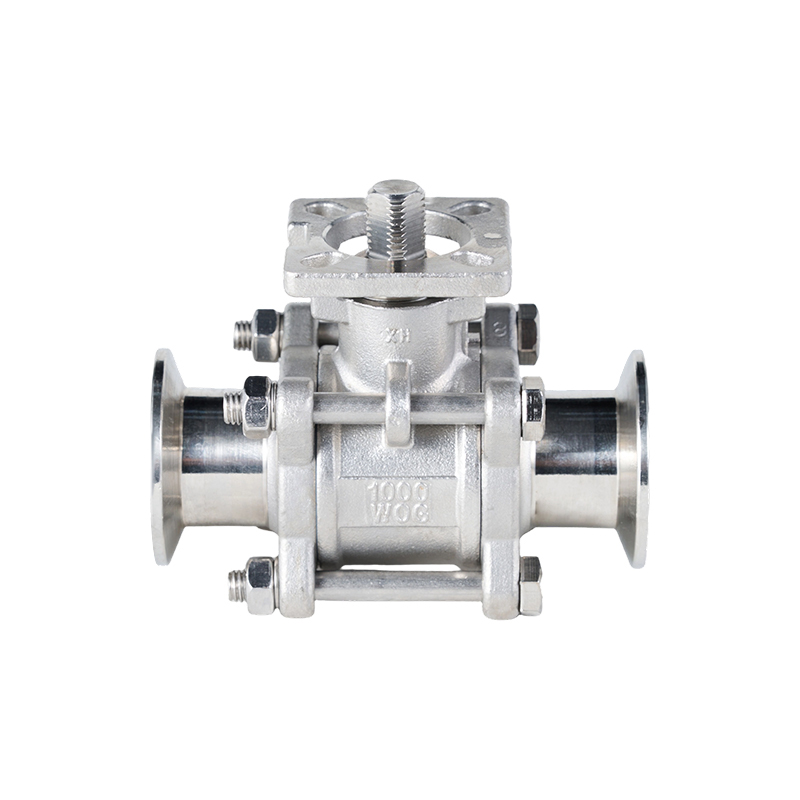
Where are Stainless Steel Full Port Valves widely used?
A full-port (or full-bore) ball valve is designed so that the internal diameter of the ball orifice matches the internal diameter of the connecting pipeline, flow restriction and pressure drop. When constructed from stainless steel, this design is deployed in specific scenarios where hygiene, flow efficiency, or system functionality are paramount.
Process Industries Requiring Unrestricted Flow and Hygiene:
In industries like food and beverage, pharmaceuticals, and biotechnology, maintaining product purity and allowing for thorough cleaning are non-negotiable. Stainless steel 316L is often specified for its cleanability and corrosion resistance. The full-port design ensures there are no cavities or restrictions where product could accumulate, stagnate, or foster bacterial growth. This supports Clean-in-Place (CIP) and Sterilize-in-Place (SIP) protocols, making these valves ideal for product transfer lines, fermentation feeds, and hygienic process connections.
Applications with High Flow Demands or Low Available Pressure:
In systems where flow rate is critical or where pump head pressure is limited, the low flow resistance of a full-port valve is a significant advantage. Compared to a standard-port ball valve, the full-port design presents negligible pressure loss. This characteristic makes them suitable for pump intake and discharge lines, main transfer headers, and circulation loops in HVAC, water distribution, and industrial cooling systems, where reducing system pressure drop directly translates to energy savings.
Pipelines Requiring Internal Inspection or Cleaning (Pigging):
Many oil, gas, and chemical pipelines utilize Pipeline Inspection Gauges (PIGs)—devices sent through the pipe to clean deposits or inspect wall integrity. A full-port ball valve, when fully open, provides a smooth, uninterrupted bore that allows these pigs to pass through without obstruction. A standard-port valve would act as a barrier. Therefore, in main transmission lines and gathering systems where pigging is part of the maintenance regime, full-port valves are essential at isolation points.
Services with Slurries or Viscous Fluids:
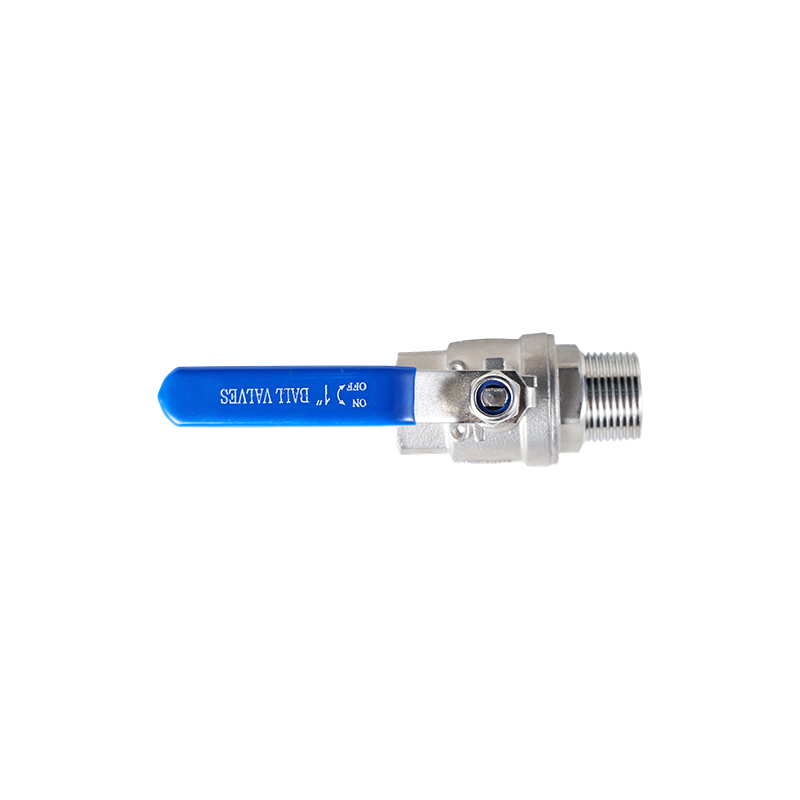
Handling mixtures containing suspended solids or thick, viscous media requires a flow path free of sudden constrictions that could cause blockages or excessive shear. The straight-through, full-diameter bore of a full-port stainless steel valve prevents material buildup and reduces the risk of clogging. This is applicable in mining slurry lines, wastewater treatment, pulp and paper stock flows, and certain chemical processes where the fluid is non-homogeneous.