LANGUAGE

 Español
 عربى
عربى
Xinhong Valve & Fitting
Xinhong Valve & Fitting
Xinhong Valve & Fitting
Xinhong Valve & Fitting
Xinhong Valve & Fitting
Xinhong Valve & Fitting
Xinhong Valve & Fitting
Xinhong Valve & Fitting
Xinhong Valve & Fitting
Xinhong Valve & Fitting
Xinhong Valve & Fitting
Xinhong Valve & Fitting
Xinhong Valve & Fitting
Xinhong Valve & Fitting
Xinhong Valve & Fitting
Xinhong Valve & Fitting
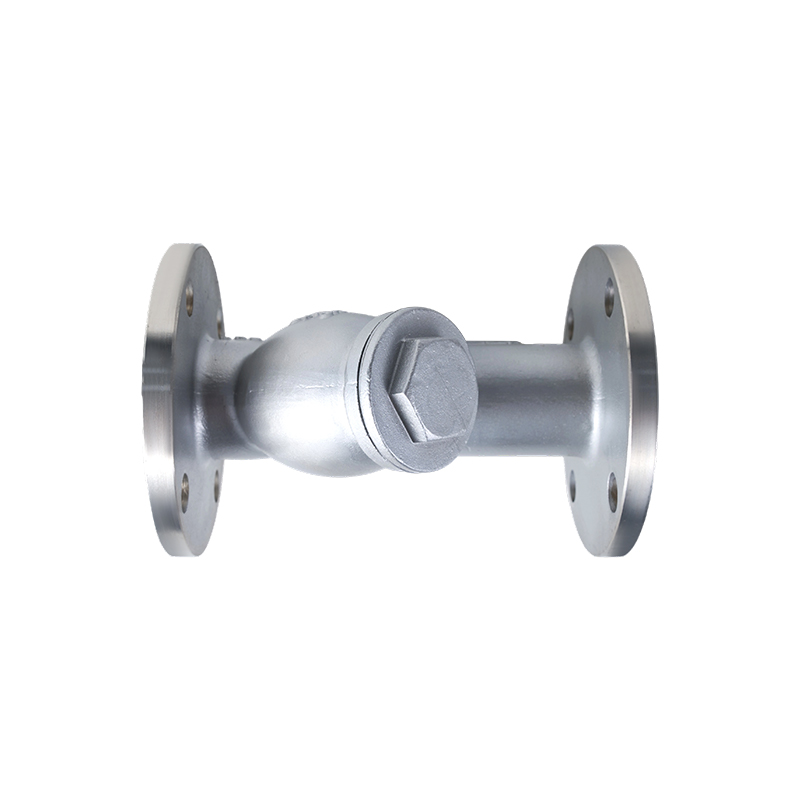
Fine filtration plays a valuable role in protecting industrial pipeline systems from solid contamination. 100 Mesh Y Strainer is widely applied in situations where small particles must be intercepted before reaching pumps, valves, and control equipment. However, finer filtration also increases the importance of proper maintenance. Without suitable inspection and cleaning practices, debris accumulation can gradually restrict flow and affect system stability. Understanding maintenance strategies helps reduce clogging risks while maintaining reliable filtration performance.
Why Fine Mesh Strainers Are Prone to Clogging
Clogging is a natural outcome when fine mesh screens operate in environments with solid contaminants. A 100 mesh screen captures small particles efficiently, but these particles do not pass through once collected. Over time, accumulation increases resistance within the strainer.
In many systems, contamination levels are not constant. Changes in operating conditions, upstream maintenance, or seasonal variations can introduce more debris than expected. When inspection intervals are not adjusted accordingly, clogging becomes more likely.
Recognizing Early Signs of Screen Blockage
Early identification of blockage allows maintenance teams to intervene before system performance is affected. Gradual changes in flow behavior or operating stability may indicate that debris is accumulating inside the strainer.
Operators who regularly observe system behavior are often able to detect these changes before they escalate into operational disruptions. Early response reduces the risk of unplanned shutdowns.
Establishing Practical Inspection Schedules
Inspection schedules should reflect real operating conditions rather than fixed assumptions. Systems with stable fluid quality may require less frequent inspection, while systems with variable contamination demand closer attention.
Keeping maintenance records helps identify patterns in debris accumulation. These records support informed decisions about inspection frequency and cleaning routines.
Screen Removal and Cleaning Practices
Cleaning a Y strainer typically involves isolating the pipeline section and removing the screen for inspection. Accumulated debris should be flushed or gently removed without deforming the mesh.
Careful handling is important, as damaged screens may reduce filtration effectiveness. After cleaning, the screen should be inspected for signs of wear before being reinstalled.
Installation Factors That Influence Maintenance Efficiency
Installation orientation plays an important role in how debris settles within the strainer. Proper alignment allows particles to collect in the screen chamber rather than circulating back into the flow.
Providing sufficient clearance around the strainer simplifies maintenance tasks. Easy access encourages routine inspection rather than delayed intervention.
Preventive Measures to Reduce Debris Load
Preventive measures can significantly reduce clogging risks. One common approach is staged filtration, where a coarser strainer upstream captures larger particles before fluid reaches the 100 mesh screen.
This approach reduces the debris load on the fine mesh strainer and extends the interval between cleanings. It also improves overall system stability by distributing filtration responsibilities.
Adapting Maintenance to Operating Conditions
Operating conditions often change over time. Maintenance practices should adapt accordingly. Increased inspection frequency during periods of higher contamination helps maintain consistent performance.
Flexible maintenance planning allows systems to operate smoothly without unnecessary intervention during stable periods.
Long-Term Benefits of Proactive Maintenance
Proactive maintenance reduces unexpected downtime and extends the usable life of filtration components. Consistent cleaning and inspection preserve flow conditions and reduce stress on downstream equipment.
Over time, well-maintained strainers contribute to predictable system behavior and lower operational risk.
Reducing clogging risks in a 100 mesh Y strainer depends on understanding how fine filtration interacts with system conditions. Through regular inspection, careful cleaning, preventive strategies, and adaptable maintenance planning, fine filtration can be sustained without compromising operational reliability.