LANGUAGE

 Español
 عربى
عربى
Xinhong Valve & Fitting
Xinhong Valve & Fitting
Xinhong Valve & Fitting
Xinhong Valve & Fitting
Xinhong Valve & Fitting
Xinhong Valve & Fitting
Xinhong Valve & Fitting
Xinhong Valve & Fitting
Xinhong Valve & Fitting
Xinhong Valve & Fitting
Xinhong Valve & Fitting
Xinhong Valve & Fitting
Xinhong Valve & Fitting
Xinhong Valve & Fitting
Xinhong Valve & Fitting
Xinhong Valve & Fitting
In industrial pipeline systems, filtration decisions influence both equipment protection and operational stability. A 100 Mesh Y Strainer is commonly selected when fine particle removal is required, especially in systems where downstream components are sensitive to solid contamination. While fine filtration improves cleanliness, it also introduces resistance to flow. Understanding how filtration accuracy and pressure behavior interact is essential for engineers, operators, and maintenance teams seeking stable long-term operation rather than short-term performance gains.
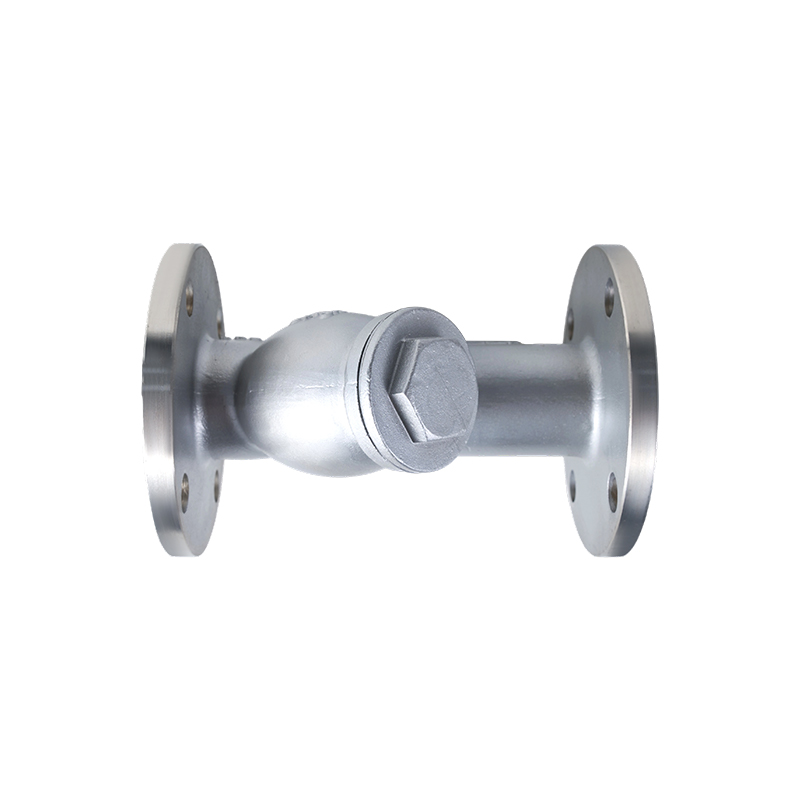
Understanding Filtration Accuracy in Y Strainers
Filtration accuracy refers to the ability of a strainer screen to capture particles within a specific size range. A 100 mesh screen is designed to retain fine solid particles that might otherwise pass through coarser filtration devices and circulate within the system.
In Y strainers, the screen serves as the primary filtration element. Its effectiveness depends on consistent opening size, structural integrity, and proper installation. When these conditions are met, filtration behavior remains predictable, allowing operators to anticipate maintenance needs rather than react to unexpected performance issues.
Mesh Rating and Practical Filtration Behavior
Although mesh ratings provide a general indication of filtration fineness, actual performance is influenced by operating conditions. Fluid velocity, particle shape, and debris composition all affect how particles interact with the screen surface.
In practice, a 100 mesh Y strainer does not operate as a static barrier. Particles accumulate gradually, altering flow patterns within the strainer body. This dynamic behavior makes it important to view filtration accuracy as a system characteristic rather than a fixed screen property.
How Pressure Drop Develops in a Y Strainer
Pressure drop occurs when fluid encounters resistance while passing through the strainer body and screen. Even under clean conditions, a fine mesh introduces measurable resistance due to reduced open area compared with coarser screens.
As debris accumulates on the screen surface, resistance increases gradually. This increase does not usually occur suddenly, which allows attentive operators to identify trends before performance is affected. Understanding this progression supports proactive maintenance planning.
Factors That Influence Pressure Behavior
Several interacting factors influence how pressure behaves in a system using a 100 mesh Y strainer. Fluid viscosity affects how easily fluid passes through the mesh openings. Flow conditions determine how debris is distributed across the screen surface.
Contamination levels also play a critical role. Systems with intermittent debris introduction may experience uneven accumulation, while systems with steady contamination often show predictable resistance growth. Recognizing these patterns allows for better system management.
Balancing Filtration Accuracy and Flow Stability
Selecting fine filtration involves balancing cleanliness requirements with acceptable flow resistance. A 100 mesh Y strainer captures small particles effectively, but it may require more frequent inspection than coarser alternatives.
In systems where uninterrupted flow is critical, designers often consider how much resistance can be tolerated before maintenance becomes necessary. This balance is central to filtration planning and should be addressed during system design rather than after installation.
Role of Strainer Sizing in Pressure Control
Proper strainer sizing helps control pressure behavior by providing adequate internal volume for debris accumulation. A well-sized strainer distributes flow evenly across the screen, reducing localized resistance.
Undersized strainers may experience rapid resistance increase even under moderate contamination. Selectingan appropriate size supports stable operation and reduces maintenance frequency.
Placement Within the Pipeline System
Placement of a Y strainer influences both filtration effectiveness and pressure behavior. Installing the strainer upstream of sensitive components protects equipment from contamination while allowing resistance changes to be detected early.
Adequate clearance around the strainer body supports routine inspection and cleaning. Accessibility encourages timely maintenance, which directly contributes to stable pressure conditions.
Interaction Between Maintenance and Pressure Recovery
Maintenance plays a direct role in restoring flow conditions. Cleaning the screen removes accumulated debris and reduces resistance, returning pressure behavior closer to its initial state.
Ignoring maintenance allows resistance to increase gradually, affecting downstream equipment performance. Regular inspection ensures that filtration accuracy does not compromise overall system reliability.
Operational Impact on System Components
Changes in pressure behavior influence how pumps, valves, and control devices operate. Increased resistance can place additional load on equipment, potentially affecting service life and stability.
By monitoring system behavior and maintaining the strainer appropriately, operators can protect equipment while preserving filtration effectiveness.
Long-Term System Performance Considerations
Over time, filtration strategies influence overall system reliability. A 100 mesh Y strainer that is properly sized, installed, and maintained contributes to predictable performance rather than variable behavior.
Understanding how filtration accuracy and pressure interact supports informed decision-making throughout the system lifecycle, from design to daily operation.
Filtration accuracy and pressure behavior are closely connected in systems using a 100 mesh Y strainer. Fine particle retention improves cleanliness, but it must be supported by appropriate sizing, placement, and maintenance practices. By addressing these factors together, pipeline systems can achieve reliable filtration while maintaining stable and predictable operation over time.